OpenAI acquires Israeli-founded camera startup Glass Imaging for over $300 million, marking a massive strategic shift into physical consumer hardware and advanced computational photography. When analyzing why OpenAI acquires Israeli-founded camera startup Glass Imaging for over $300 million, industry experts point to the growing necessity of integrating sophisticated vision AI directly into proprietary device ecosystems.
Introduction to OpenAI acquires Israeli-founded camera startup Glass Imaging for over $300 million
Artificial intelligence pioneer OpenAI has officially made headlines by absorbing the cutting-edge camera software firm. Reviewing how OpenAI acquires Israeli-founded camera startup Glass Imaging for over $300 million underscores the company’s aggressive expansion beyond software models and into hardware design.

Users and developers can read official corporate updates via the OpenAI Official Portal for further strategic announcements.
OpenAI steps deeper into hardware manufacturing by securing world-class computational photography expertise through a landmark multimillion-dollar buyout.
Founders, Neural Networks, and Overcoming Compact Hardware Limits
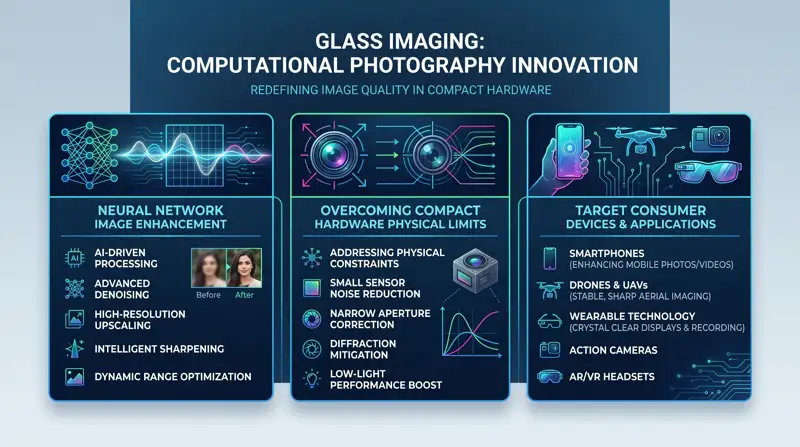
Glass Imaging was established by former Apple engineers Ziv Attar and Tom Bishop, who specialized in advanced optical pipelines. Investigating how OpenAI acquires Israeli-founded camera startup Glass Imaging for over $300 million reveals that the startup’s neural networks are trained specifically for individual camera systems to enhance images at the point of capture rather than through post-processing edits.
This proprietary tech allows compact devices like smartphones, drones, and wearables to achieve image quality traditionally reserved for bulky, dedicated professional cameras.
| Startup Attribute | Engineering Focus | Integration Impact |
|---|---|---|
| Founding Team | Former Apple engineers Ziv Attar & Tom Bishop | Brings elite pedigree in optical software design |
| Core Technology | Neural network image enhancement | Overcomes physical constraints of compact lenses |
| Target Form Factors | Smartphones, wearables, and autonomous drones | Powers next-gen consumer hardware capabilities |
Broader Industry Implications and Future Hardware Ambitions
The multimillion-dollar transaction aligns with OpenAI’s broader hardware roadmap, which includes collaborations with legendary designers. Understanding how OpenAI acquires Israeli-founded camera startup Glass Imaging for over $300 million highlights a concerted effort to build cohesive, AI-native hardware ecosystems.
By merging vision intelligence with specialized camera engineering, the company is positioning itself to challenge traditional tech giants in the physical product space.
| Strategic Pillar | Current Milestone | Long-Term Goal |
|---|---|---|
| Hardware Expansion | Glass Imaging buyout exceeding $300M | Build proprietary AI-powered consumer devices |
| Vision Processing | Advanced neural optics integration | Deliver DSLR-level quality on pocket hardware |
| Ecosystem Growth | Aggressive talent and startup acquisitions | Dominate both generative software and hardware |
Combining cutting-edge neural photography with powerful language models signals the dawn of truly intelligent consumer devices.
Conclusion
Ultimately, examining how OpenAI acquires Israeli-founded camera startup Glass Imaging for over $300 million demonstrates that the future of artificial intelligence extends far beyond cloud software into everyday physical hardware.
Frequently Asked Questions
What company did OpenAI acquire in this major deal?
OpenAI acquired Glass Imaging, an Israeli-founded computational photography and camera startup.
What was the reported financial valuation of the transaction?
The acquisition deal was valued at more than $300 million.
Who founded Glass Imaging?
The company was founded by former Apple engineers Ziv Attar and Tom Bishop.
What core technology does Glass Imaging specialize in?
Glass Imaging specializes in using artificial intelligence and neural networks to overcome physical hardware limitations in compact cameras.
Where has Glass Imaging’s technology been used previously?
Their advanced image processing technology has previously been utilized in smartphones manufactured by Honor.
How does this acquisition fit into OpenAI’s broader strategy?
It supports OpenAI’s expanding push into consumer hardware and advanced vision artificial intelligence.
When did this acquisition take place?
The buyout agreement was widely reported across tech industry news outlets in September 2026.
Disclaimer: This article is for informational purposes only and details recent technology industry acquisitions and corporate developments.