You dial a number you have called a hundred times. Seven digits, like always. This time, instead of ringing, a recording tells you to hang up and dial again with the area code. Nothing is broken. Your area is getting a new area code, and 10-digit dialing comes with it. Here is why it happens, what changes, and what to do. The short video below walks through the same steps.
How an area code runs out of numbers
One area code has 792 assignable prefixes. A prefix is the three digits in the middle of a phone number, between the area code and the last four digits. Each prefix holds 10,000 numbers, and carriers receive numbers one prefix at a time. When every prefix is assigned, the area code is approaching exhaust, and the region needs relief: a way to add more numbers.
Split or overlay: the two ways to add an area code
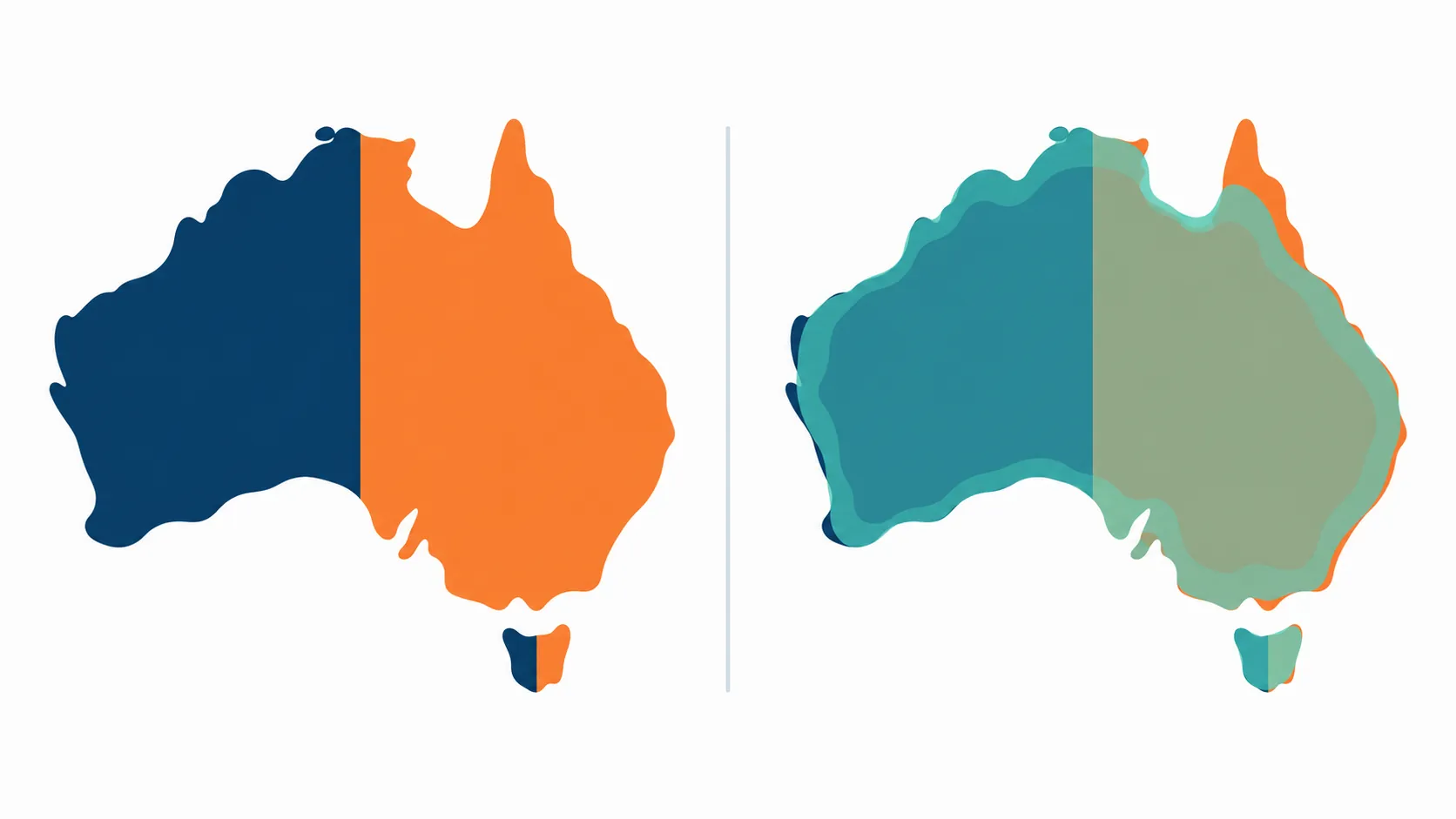
In a geographic split, the region is divided into two or more parts. One part keeps the old area code and the other parts get a new one, so many customers must change their area code. In an overlay, the new area code is laid over the same region and everyone keeps their number. According to NANPA, overlays are the industry-preferred form of relief, and its 2022 annual report says no geographic split has been recommended, approved, or implemented in the United States since 2007.
What an overlay means for you
Current customers keep their area code and phone number. The new area code goes to new phone lines, or to people adding another line. Two neighbors on the same street can end up with different area codes, and nothing is wrong with either number.
Why the FCC requires 10-digit dialing
In overlay areas, the FCC requires 10-digit dialing for local calls. The rule ensures calls work the same way for customers of the old and the new area code, and it prevents one group of providers and customers from gaining an advantage over another. NANPA points to the FCC’s Second Report and Order, number 96-333.
The three stages of a new overlay
- Permissive dialing. Seven-digit calls still work, but you are encouraged to start dialing 10 digits.
- Mandatory 10-digit dialing. A seven-digit call now reaches a recording asking you to hang up and dial again with the area code. NANPA says that recording stays on indefinitely.
- The new area code opens. Numbers from the new code start being assigned when mandatory dialing begins or shortly after.
Exact dates are set locally, and some states also require dialing 1 before the area code on local calls. Check your carrier or state notice for the dates that apply to you.
What you should do now
- Dial 10 digits on every local call.
- Update saved contacts, speed dials, call forwarding, and automatic dialers.
- Check anything that dials out by itself: alarm systems, fax machines, entry systems, and business phone systems.
- Teach children their full 10-digit home number.
- Tell family, friends, and business contacts.
NANPA notes that customers are responsible for the cost of updating their own equipment when an update is needed, and that updates should be finished before the mandatory dialing date.
What does not change
Calls that were local stay local, and your calling area does not change. You can still dial three digits for 911 and 988, and for 211, 311, 411, 511, 611, 711, and 811 where they are available. These short numbers keep working as before.
Real examples
The 202 area code moved to 10-digit dialing in October 2021 so the new 771 area code could be added to the same area. Separately, more than 80 area codes moved to 10-digit dialing as part of the nationwide change that made 988 the three-digit number for the Suicide and Crisis Lifeline. That change was separate from any overlay.
We have covered individual overlays and dialing rules in detail, including the 475 area code in Connecticut, the 561 and 728 overlay in Florida, the 334 and 483 overlay in Alabama, and the 770 area code in Georgia.
The bottom line
If your phone asks you to dial the area code, nothing is broken. Your area simply gained a new one. Dial 10 digits, update the devices that dial for you, and check your carrier or state notice for the exact dates.
Official sources
- NANPA: Area Code Relief Planning FAQs
- NANPA: 2022 Annual Report
- FCC: Ten-Digit Dialing
- NANPA: NPA Dialing Plans Report