ClickFix attacks are tricking Mac and Windows users into hacking themselves as one of the most alarming cybersecurity threats of 2026. When investigating how ClickFix attacks are tricking Mac and Windows users into hacking themselves, security researchers discovered that deceptive online ads are successfully exploiting human trust.
Introduction to how ClickFix attacks are tricking Mac and Windows users into hacking themselves
Modern cybercriminals have shifted away from traditional phishing links toward psychological manipulation. Understanding how ClickFix attacks are tricking Mac and Windows users into hacking themselves reveals a clever method where victims willingly paste malicious text into their system terminals.
Users can review broader threat intelligence updates via the Cybersecurity and Infrastructure Security Agency for official advisory guidelines.
Deceptive fake ads and social engineering tricks are turning everyday users into unwitting accomplices in infecting their own computers.
The Mechanics Behind ClickFix Attacks
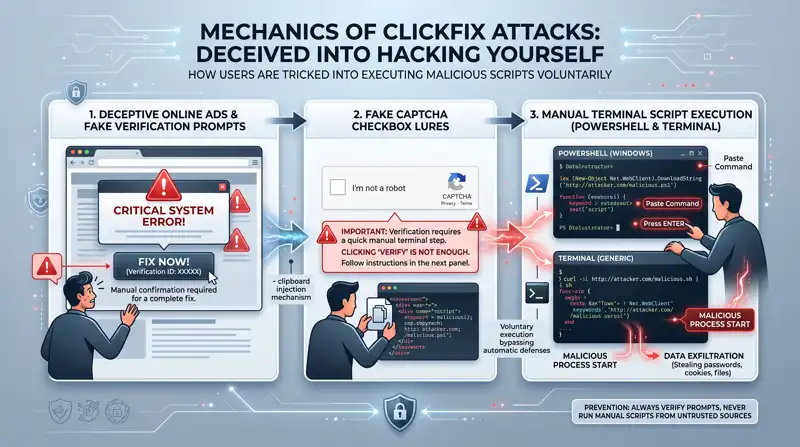
The scam typically begins with compromised web advertisements or fake verification prompts. When analyzing why ClickFix attacks are tricking Mac and Windows users into hacking themselves, experts point to fake CAPTCHA checkboxes that instruct users to copy and paste hidden script commands into PowerShell or Terminal.
Because the user interacts directly with the operating system through text-based commands, traditional antivirus software often fails to flag the activity.
| Attack Stage | User Action | Malicious Outcome |
|---|---|---|
| Initial Lure | Clicks fake ad or verification prompt | Displays fake CAPTCHA error message |
| Execution | Pastes code into Command Prompt or Terminal | Bypasses standard antivirus defenses |
| Compromise | Hits return key to run command | Installs info-stealing malware instantly |
Real-World Campaigns and Defense Strategies
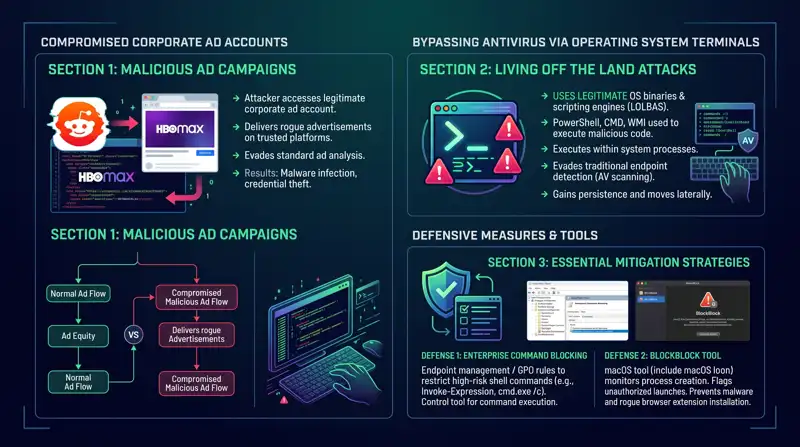
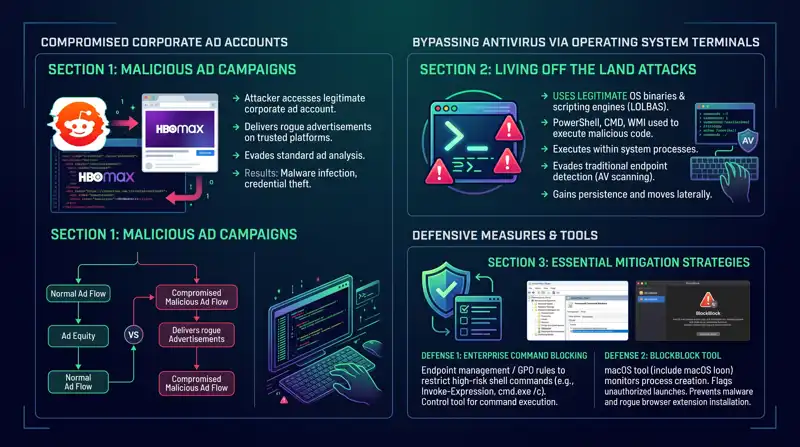
Recent campaigns have even compromised verified corporate ad accounts on platforms like Reddit. Reviewing how ClickFix attacks are tricking Mac and Windows users into hacking themselves highlights recent incidents involving fake HBO Max advertisements pushing malicious links.
To protect devices, administrators can restrict command prompt access on enterprise networks, while Mac users can employ tools like BlockBlock.
| Defense Mechanism | Target Operating System | Protective Impact |
|---|---|---|
| Network Restriction | Windows Enterprise Fleets | Blocks domain-wide command line execution |
| BlockBlock Tool | macOS Systems | Alerts users to unauthorized terminal modifications |
| User Vigilance | Cross-Platform | Prevents manual execution of pasted scripts |
Never copy and paste unverified code snippets into your system terminal, regardless of what online verification prompts demand.
Conclusion
In conclusion, recognizing how ClickFix attacks are tricking Mac and Windows users into hacking themselves is crucial for maintaining digital hygiene and preventing credential theft.
Frequently Asked Questions
What is a ClickFix attack?
It is a social engineering scam that tricks users into copying and pasting malicious scripts into their computer’s terminal.
Which operating systems are targeted by ClickFix campaigns?
Both Windows and macOS users have been targeted by these deceptive tactics.
How do attackers initiate the scam?
Attackers use compromised web ads, fake websites, or spoofed CAPTCHA verification checkboxes.
What kind of malware do ClickFix attacks install?
They typically install info-stealing malware designed to capture passwords, session cookies, and crypto wallets.
Why do these attacks evade antivirus software?
Because the user manually executes the text-based command inside the operating system terminal, traditional security tools often fail to block it.
Were major brands ever used in these campaigns?
Yes, researchers uncovered compromised corporate ad accounts, such as an HBO Max account on Reddit, spreading malicious links.
How can users protect themselves against terminal scams?
Avoid pasting unknown code into PowerShell, Command Prompt, or Terminal, and use defensive monitoring tools.
Disclaimer: This article is for informational purposes only and details current cybersecurity threat trends and prevention methods.