The undeniable reality in 2026 is that the OnePlus Exit Means Fewer Options in a Market Mired by Lack of Choice. For over a decade, the “Never Settle” brand served as the ultimate disruptor in North America. Today, that era has officially ended.
OnePlus has confirmed its departure from the US and parts of Europe, leaving millions of loyal fans wondering what comes next. As the brand retreats, the North American smartphone landscape looks increasingly bleak. The dominance of a few massive tech giants has created a stagnant environment for consumers.
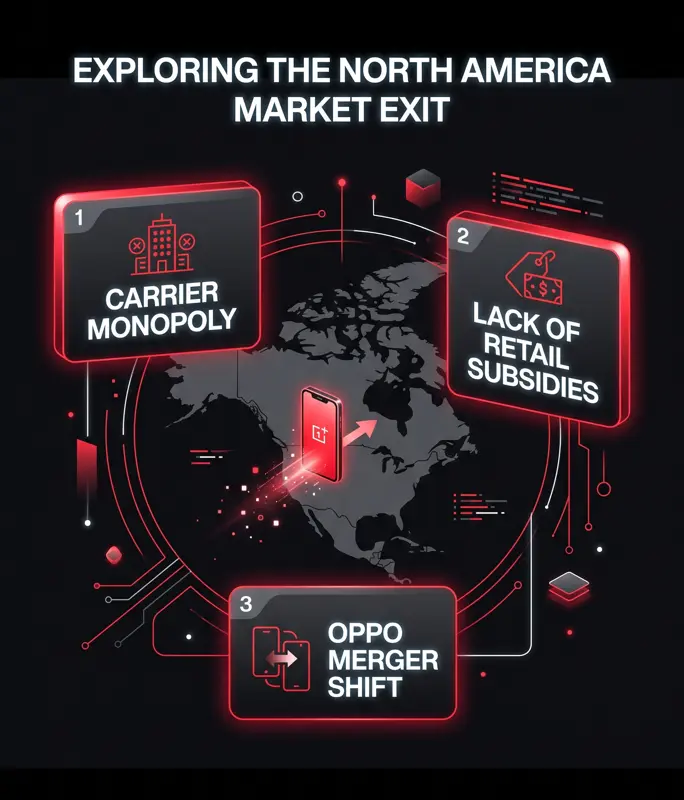
The groundwork for this departure was laid during the Oppo merger. When Oppo took the reins, OnePlus lost some of the independent identity that made it a fan favorite. Their focus shifted, and competing in an entrenched market became too costly.
Understanding Why the OnePlus Exit Means Fewer Options in a Market Mired by Lack of Choice
To fully grasp why the OnePlus Exit Means Fewer Options in a Market Mired by Lack of Choice, we must look at the carrier system. In the United States and Canada, carrier stores dictate what consumers buy. Most buyers walk into a store and choose from what is on display.
Unfortunately, those displays are almost exclusively reserved for Apple, Samsung, and Google. Despite offering better specs at lower prices, OnePlus could never establish a permanent foothold with major carriers. Without that carrier backing, survival was impossible.
“The North American smartphone market is terribly entrenched. Losing a player that constantly strove to shake things up is a devastating blow to true innovation.”
Because of this barrier, OnePlus relied heavily on direct-to-consumer sales and online retailers like Amazon. While this worked for enthusiasts, mainstream success requires carrier subsidies. The big three brands benefited massively from this lack of retail competition.
| Market Dynamic | OnePlus Approach | Traditional Giants |
|---|---|---|
| Sales Model | Direct to consumer / Online | Carrier-subsidized retail |
| Pricing Strategy | Aggressive flagship killer pricing | High-margin premium pricing |
| Innovation Speed | Rapid adoption (Fast charge, 90Hz) | Slow, iterative upgrades |
The Carrier Wall: How the OnePlus Exit Means Fewer Options in a Market Mired by Lack of Choice
The fact that the OnePlus Exit Means Fewer Options in a Market Mired by Lack of Choice highlights a broader issue. Retail workers are rarely trained on alternative brands. Even if a different Android flagship alternative is available, it is rarely recommended to the average shopper.
This creates a self-fulfilling prophecy. Because alternative phones are not recommended, they do not sell. Because they do not sell, carriers drop them. This cycle is exactly what pushed OnePlus out of the North American market entirely.
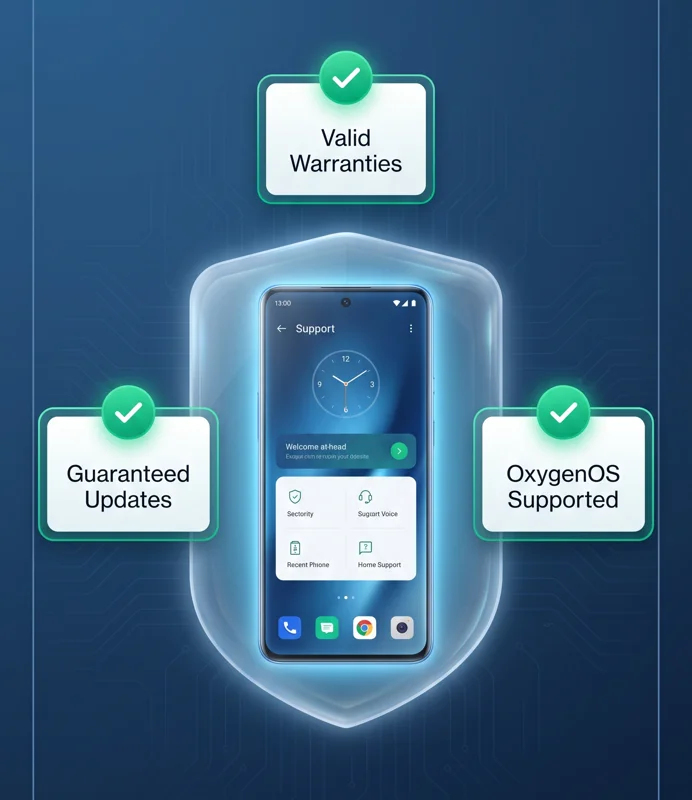
However, if you currently own one of their devices, you do not need to panic. The company has promised that existing phones will still receive critical software updates. You can also monitor your device status via the official OnePlus support channel.
“Competition is how premium features become standard. Without OnePlus forcing the issue, the big players have no incentive to lower prices or increase base storage.”
Software Legacy and Why OnePlus Exit Means Fewer Options in a Market Mired by Lack of Choice
It is crucial to remember that the OnePlus Exit Means Fewer Options in a Market Mired by Lack of Choice specifically regarding clean software. OxygenOS was widely considered the gold standard for Android interfaces, rivaling only the pure Pixel experience.
Moving forward, some users with eligible devices will have the option to transition to Oppo’s ColorOS. If you choose not to switch, your current OxygenOS will receive standard maintenance updates until the promised lifecycle ends.
| Device Status | Support Plan Provided |
|---|---|
| Existing US Phones | Guaranteed security and software patches |
| Active Warranties | Remain fully valid for repairs |
| OS Options | Stay on OxygenOS or transition to ColorOS |
The brand’s historical contributions cannot be erased. They popularized high refresh rate screens, pushed ultra-fast wired charging, and forced bigger companies to improve camera processing through partnerships like Hasselblad.
Ultimately, while the brand lives on in Asia, North American users are left with a shrinking list of Android flagship alternatives. The market desperately needs a new disrupter, but for now, consumers will have to settle for the status quo.
Frequently Asked Questions
Why is OnePlus leaving the North American market?
The brand struggled to gain consistent carrier support, which is essential for mainstream success in the US and Canada. The merger with Oppo also shifted their global strategy.
Will my current OnePlus phone stop working?
No. Your phone will continue to function normally. The company has committed to providing the software updates and security patches originally promised for your device.
Is my warranty still valid after the exit?
Yes, existing warranties remain fully valid. The support website will stay operational to handle repairs, though the exact logistics of North American repair centers may shift.
What happens to OxygenOS?
OxygenOS will continue to receive maintenance updates. Users with eligible newer devices may be offered a choice to transition to Oppo’s ColorOS, but it is not mandatory.
Will OnePlus phones still be sold in Europe?
OnePlus is pulling back in parts of Europe, but Oppo is stepping in to fill the void, particularly in Central Europe and Nordic countries, ensuring a smoother transition there.
How does this exit affect competition in the US?
It drastically reduces consumer choice. With OnePlus gone, Apple, Samsung, and Google face even less pressure to offer competitive pricing and innovative hardware features.
Is the OnePlus brand shutting down completely?
Absolutely not. The brand will continue to operate and release new devices in massive markets like India and China, where their business model remains highly successful.
Disclaimer: This article is for informational purposes only. Market conditions, software support timelines, and company policies are subject to change based on official announcements from OnePlus and Oppo.