In a groundbreaking move for the creative industry in 2026, adobe adds more ai to its products and launches an mcp to completely redefine digital art and video production. The annual MAX event in Miami showcased some of the most massive generative AI photo editing updates we have ever seen. Designers and video editors are thrilled because adobe adds more ai to its products and launches an mcp, transforming traditional workflows into lightning-fast, intuitive processes. The integration of proactive AI agents means less manual clicking and more time spent actually creating.
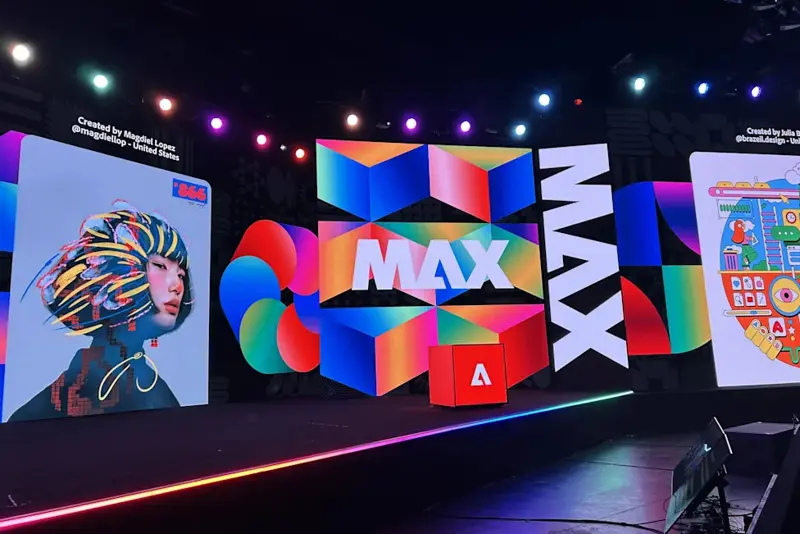
Adobe is not just slightly upgrading its software; it is fundamentally changing how creators interact with their canvas. By expanding its intelligent capabilities, the company is ensuring that its software acts as a collaborative partner rather than just a static tool.
How Adobe Adds More AI to its Products and Launches an MCP in 2026
The newest Adobe MAX AI announcements revealed major upgrades across the entire Creative Cloud ecosystem. As adobe adds more ai to its products and launches an mcp, professional creators can now automate tedious tasks that used to take hours. Photoshop AI features now include an advanced relighting system and prompt-based generative style sliders, allowing for unprecedented control over lighting and mood.
Premiere Pro is also getting a massive boost. Video editors will benefit from a new professional color grading system and a highly anticipated object removal feature for video. Meanwhile, Lightroom is introducing a blemish removal tool and a brilliant feature to correct blinking eyes in portraits.
“We are proactively building agents that understand your creative context, ensuring they are always on and ready to take quick actions like removing backgrounds or generating thumbnails.”
The Impact When Adobe Adds More AI to its Products and Launches an MCP
One of the standout announcements is the expansion of Firefly video creation tools. Firefly now boasts a prototyping tool named “Builder,” which is currently in private beta. This directly challenges competitors by allowing seamless UI/UX design generation to show off ideas quickly. Because adobe adds more ai to its products and launches an mcp, users can also assemble entire videos from clips, images, and sound effects using natural language.
| Application | Previous Workflow | New AI-Powered Workflow |
|---|---|---|
| Photoshop | Manual masking and relighting | Prompt-based generative styles and auto-relight |
| Premiere Pro | Frame-by-frame object masking | Instant AI object removal for video |
| Firefly | Basic image generation | “Builder” prototyping and video assembly |
Unlocking the Future: Adobe Adds More AI to its Products and Launches an MCP
The introduction of the Model Context Protocol (MCP) is a massive leap forward for third-party integration. By deploying this local MCP, Adobe is exposing its core features to popular external chatbots. When adobe adds more ai to its products and launches an mcp, it gives users the freedom to interact with Creative Cloud apps using ChatGPT, Claude, and Gemini.
Adobe Vice President Deepa Subramaniam noted that the company is taking a user-first approach. They are releasing endpoints across Illustrator, Photoshop, After Effects, and Premiere, and relying on community feedback to determine how to expand these capabilities.
“We don’t have any desire to limit what the MCP endpoint can expose. What we really want to do is to support that creative workflow, exactly how you choose to do it.”
Third-Party Integrations as Adobe Adds More AI to its Products and Launches an MCP
Adobe already collaborates with leading frontier labs for advanced generation, including OpenAI, Runway, and Black Forest Labs. Through its acquisition of Topaz Labs, Adobe is also releasing two new image models: Wonder 4 for upscaling and denoising, and ImageHDR. For more details on these intelligent integrations, check out Adobe’s official AI ecosystem.
While Figma co-founder Dylan Field has expressed skepticism, stating that the MCP benefits frontier labs more, the creative community is largely optimistic. This open, integrated approach proves exactly why the industry celebrates the fact that adobe adds more ai to its products and launches an mcp.
| Third-Party Partner | Integration Benefit via MCP |
|---|---|
| ChatGPT / Claude | Execute complex design commands via conversational chat |
| Topaz Labs Models | Wonder 4 for denoising and ImageHDR for standard photos |
| Runway / OpenAI | Access to cutting-edge generative video and text-to-image models |
Frequently Asked Questions
What is the biggest news from the latest MAX event?
The biggest news is that adobe adds more ai to its products and launches an mcp, which connects its apps with external chatbots and introduces proactive creative agents.
What is the new Firefly “Builder” tool?
Builder is a new prototyping tool currently in private beta that allows users to quickly generate designs and UI concepts to show off ideas.
How does the Model Context Protocol (MCP) work?
The MCP exposes specific endpoints and features within Creative Cloud apps, allowing chatbots like ChatGPT or Claude to interact with and command Adobe software.
What new features are coming to Premiere Pro?
Premiere Pro is receiving an advanced object removal feature specifically for video, alongside a brand new color grading system tailored for professionals.
Can AI fix bad portrait photos in Lightroom?
Yes, Lightroom has introduced a highly requested feature that can automatically correct blinking eyes, as well as an improved blemish removal tool.
Is Adobe building its own models exclusively?
No, Adobe embraces third-party models from companies like Google, Runway, and OpenAI, and recently integrated Topaz Labs for upscaling capabilities.
Why are competitors like Figma skeptical of the MCP?
Some competitors believe the MCP standard disproportionately benefits large frontier AI labs rather than serving as a perfectly balanced universal standard for all developers.
Disclaimer: This article is for informational purposes only and does not constitute professional software advice. Features and release dates mentioned are based on Adobe’s MAX event announcements and may be subject to change.