
In 2026, Pangram Has Emerged as the Gold Standard of AI Detection, forever altering the landscape of digital publishing and content verification.
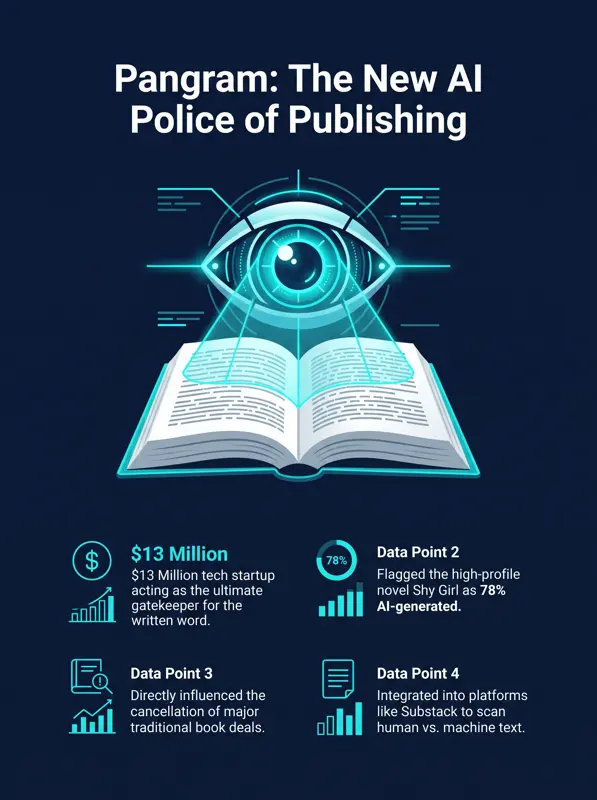
As LLM text analysis grows more complex, industries desperately need a reliable digital cop. Enter Pangram, an AI startup headquartered above a Brooklyn Popeyes with just 24 employees.
Having raised over $13 million, this relatively small company is making massive waves. Led by CEO Max Spero, the startup is aggressively policing the modern written word.
Why Pangram Has Emerged as the Gold Standard of AI Detection Globally
The publishing industry is currently facing an unprecedented wave of AI-related controversies.
From self-published authors to traditional publishing houses like Hachette, the fear of machine-generated manuscripts is palpable. Platforms are heavily relying on advanced AI detection software to maintain their credibility.
“There is such distaste and anger at the AI detection software… There’s this feeling like they are just as evil, if not more evil, than the AI companies themselves.”
Despite heavy pushback from creative communities, the consensus remains that Pangram Has Emerged as the Gold Standard of AI Detection.
The tool was largely unknown until the Shy Girl controversy. When Pangram flagged the manuscript as 78 percent AI-generated, Hachette swiftly canceled the release.
The Tech Proving Pangram Has Emerged as the Gold Standard of AI Detection
What sets this tool apart from older platforms like GPTZero and Turnitin is its unique methodology.
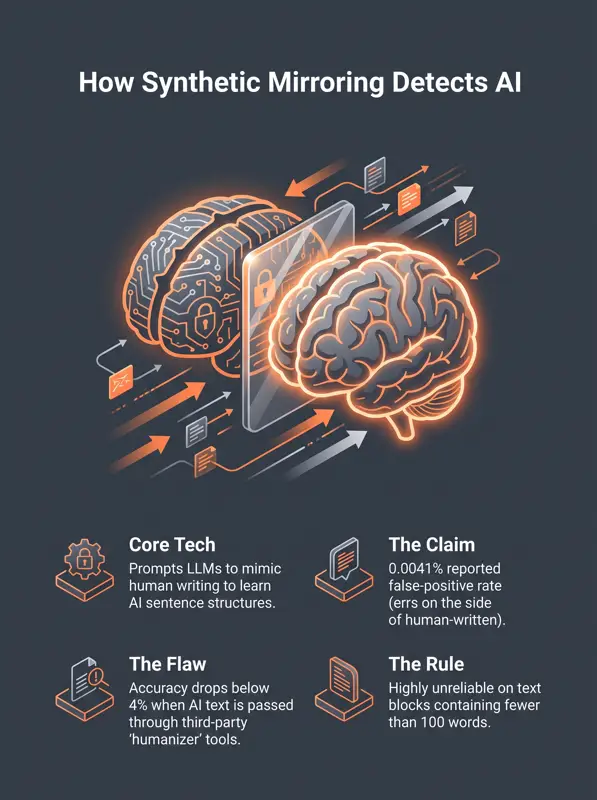
Pangram utilizes synthetic mirroring technology. This process takes human writing and instructs LLMs to generate a close match, effectively teaching its model the specific nuances of how AI constructs sentences.
| Detection Software | Primary Technology | Market Focus |
|---|---|---|
| Pangram | Synthetic Mirroring | Publishing & Creative Writing |
| Turnitin | Legacy Database Matching | Higher Education |
| GPTZero | Burstiness Analysis | General Web Content |
By heavily utilizing hard negative mining, the model actively uses false positives in AI to augment its training set.
Because of this rigorous training, tech leaders agree that Pangram Has Emerged as the Gold Standard of AI Detection for 2026.
For more insights into how these evolving neural networks operate, you can review this comprehensive guide on AI detection and technology.
Pangram Has Emerged as the Gold Standard of AI Detection: Ethical Concerns
However, becoming the industry standard does not come without severe ethical complications.
When an author is publicly accused of using AI, publishing careers can end overnight. Critics are highly concerned about the potential demographic biases built into machine learning models.
“Pangram claims false positives only happen 0.0041 percent of the time with its new model, choosing to err on the side of declaring text human-written.”
Despite these low reported error rates, several major publishing industry AI scandals have disproportionately impacted marginalized writers.
As Substack and major literary agencies integrate this software into their daily workflows, the debate intensifies. Can a machine truly act as the final judge of human creativity?
| Scandal Subject | Reported AI Score | Consequence |
|---|---|---|
| Shy Girl (Novel) | 78% | Book release canceled |
| Modern Love Column | 100% | Public scrutiny and debate |
| Call Me, I’ll Hide the Body | 97% | $2.4M deal threatened |
Even with pushback, literary agents are continuously utilizing these scans.
Because agents and editors now require a safety net, Pangram Has Emerged as the Gold Standard of AI Detection behind closed doors just as much as in public forums.
Can You Bypass Why Pangram Has Emerged as the Gold Standard of AI Detection?
Authors and academics are actively testing the limits of these strict detection thresholds.
Recent studies suggest that using third-party “humanizer” tools can drastically reduce detection accuracy, sometimes dropping the catch rate to below 4 percent.
Furthermore, scanning short excerpts under 100 words can lead to conflicting and unreliable results.
The Future: Pangram Has Emerged as the Gold Standard of AI Detection
Despite known vulnerabilities, the demand to distinguish LLM churn from authentic human writing grows every single day.
Max Spero’s company continues to release transparency reports, aiming to build trust within the skeptical creative community.
For the foreseeable future, Pangram Has Emerged as the Gold Standard of AI Detection, acting as the ultimate gatekeeper for the written word in 2026.
Frequently Asked Questions
What exactly is Pangram?
Pangram is a Brooklyn-based AI startup that developed advanced AI detection software to identify machine-generated text in creative writing and publishing.
Why do experts say Pangram Has Emerged as the Gold Standard of AI Detection?
It gained this title by correctly identifying high-profile AI usage in publishing and integrating its highly accurate scoring system into platforms like Substack.
What is synthetic mirroring technology?
It is a training method where the software prompts LLMs to mimic human writing, allowing the system to deeply learn the intricate differences between human and AI text.
How often do false positives in AI occur with Pangram?
According to the company, their latest model, Pangram 4, only produces false positives roughly 0.0041 percent of the time.
Did Pangram cause canceled book deals?
Yes, publishing industry AI scandals ignited by Pangram scans resulted in several traditional publishers, including Hachette, pulling major book deals.
Can writers trick the Pangram software?
Yes. Research shows that running AI text through a “humanizer” tool can significantly drop the detection rate, sometimes bypassing the system entirely.
Will Pangram Has Emerged as the Gold Standard of AI Detection remain true?
As generative AI evolves, detection software must constantly adapt; while Pangram leads in 2026, it must continuously update its models to maintain its dominant market position.
Disclaimer: This article is for informational purposes only and does not constitute professional legal, publishing, or technical advice. The evolving nature of AI technology means detection accuracy may vary.