google home display ideas are shifting dramatically as we move deeper into 2026. The tech community is abuzz with speculation regarding how the search giant will follow up on its recent audio successes.
With the latest smart audio hardware successfully laying the groundwork for a broader ecosystem, consumer expectations have reached an all-time high. A visual centerpiece is the logical next step for modern house automation.
How Audio Success Shaped Modern google home display ideas
The standard audio assistant proved that voice control is highly efficient for quick daily tasks. However, complex smart home systems require robust visual feedback to truly thrive in a modern household.
Because of this, upcoming google home display ideas focus heavily on seamless dashboard integration. Users want more than a passive photo frame; they require an interactive command center.
A smart speaker captures your attention with sound, but a next-generation visual interface organizes your entire physical environment at a single glance.
The transition from pure audio to advanced visual interfaces marks a turning point for the brand. It forces developers to rethink how information is presented layout-wise on fixed household screens.
Core Concept Overhauls for Innovative google home display ideas
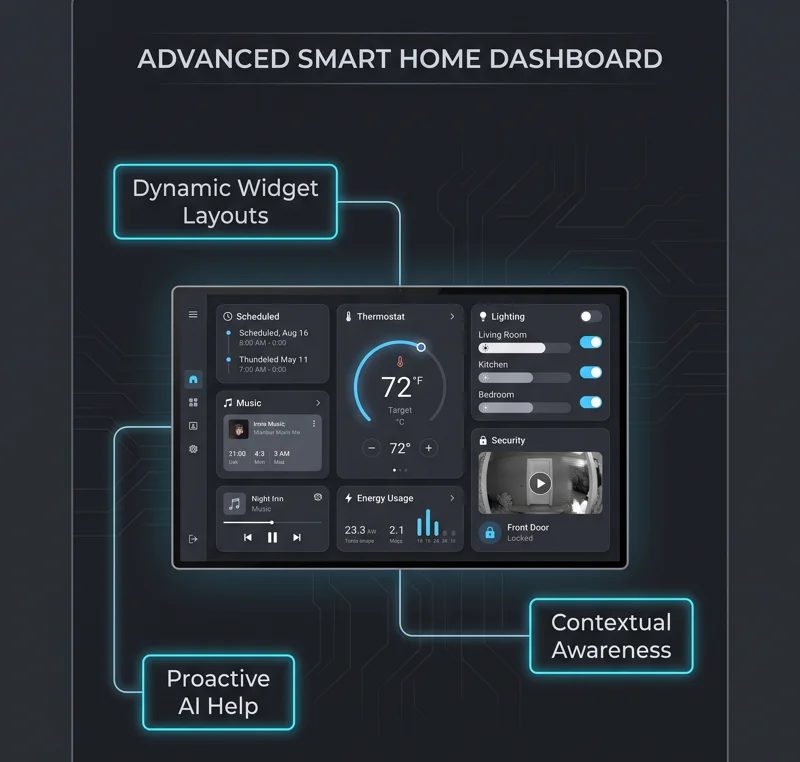
Industry analysts point out that static grids of app icons are officially a thing of the past. The most popular design concepts now rely on fluid, widget-based systems that adapt dynamically throughout the day.
This is where contextual awareness becomes vital. Fresh google home display ideas suggest that screens should automatically surface thermostat controls in the morning and security feeds at night.
| Interface Feature | Legacy Smart Screen | 2026 Design Concepts |
|---|---|---|
| Dashboard Layout | Static App Grids | Dynamic Widget Layouts |
| AI Assistance | Basic Command Response | Proactive Contextual Help |
| System Synergy | Isolated Screen App | Deep Audio-Visual Link |
By shifting to an adaptive model, the next Google Nest Hub successor can resolve historical user pain points. Merging high-fidelity audio with a highly responsive panel creates a vastly superior product tier.
Hardware Evolution Driven By google home display ideas
Software is only half of the equation when building a premium smart home assistant hardware system. The physical design must naturally blend into high-end interior spaces without looking like a generic tablet.
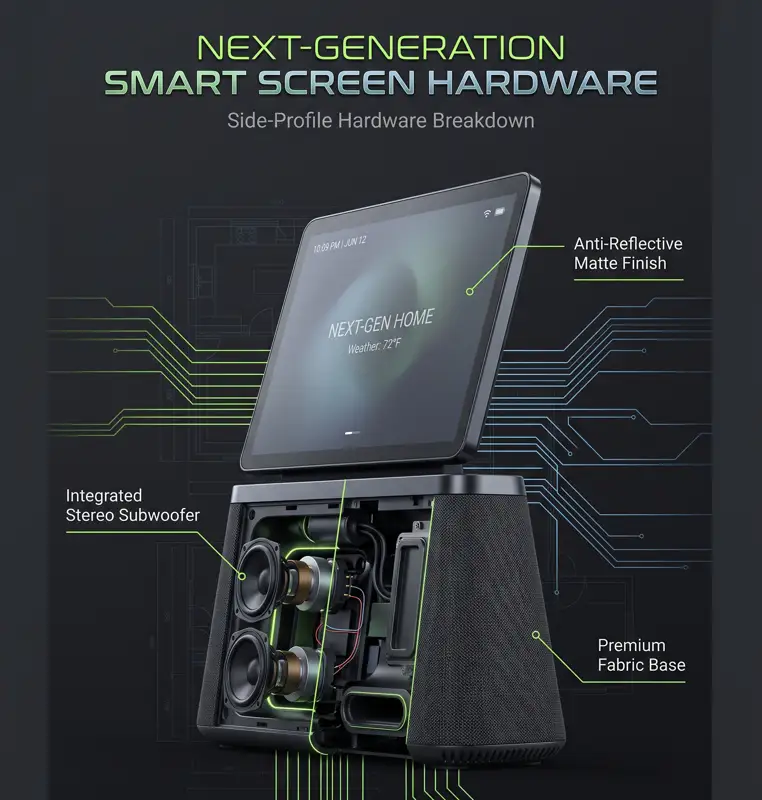
Current industrial design trends prioritize premium fabrics, brushed aluminum bases, and ultra-thin bezels. These elements ensure the device looks sophisticated whether mounted on a wall or placed on a kitchen counter.
Furthermore, ambient screen technology 2026 developments enable panels to adjust both color temperature and brightness flawlessly. This means the screen mimics the texture of real matte paper under direct sunlight.
| Hardware Spec | Older Hub Iterations | Next-Gen Spec Rumors |
|---|---|---|
| Panel Coating | Glossy Glass Cover | Anti-Reflective Matte Finish |
| Audio Driver Base | Standard Mono Tweeter | Integrated Stereo Subwoofer |
Implementing these upgrades requires a significant investment in manufacturing. However, these specific hardware enhancements are crucial to keeping up with alternative ecosystem solutions on the market today.
The future of household automation isn’t about adding more screens to your walls, but about making the existing surfaces significantly more intelligent.
AI Integration and Forward-Looking google home display ideas
Generative AI model integration completely redefines how users interact with home dashboards. Instead of memorizing strict voice phrases, family members can speak completely naturally to alter their surroundings.
This advancement heavily impacts futuristic google home display ideas. The display can instantly generate custom recipe visualizations, step-by-step repair guides, or complex family calendar breakdowns via voice prompts.
To view the current lineup of smart hardware and available ecosystem integrations, visit the official Google Store Connected Home Section.
Competing platforms are working tirelessly on their own variants, making speed-to-market incredibly critical. For Google, leveraging their massive knowledge graph is the ultimate competitive advantage here.
Ultimately, transforming these conceptual google home display ideas into physical consumer electronics will dictate who rules the living room for the remainder of the decade.
Frequently Asked Questions
What are the main google home display ideas being tested for 2026?
The core ideas center around adaptive widget user interfaces, advanced generative AI assistance, and anti-glare paper-like screens that blend into household decor.
Will the next smart display feature better built-in speakers?
Yes, credible hardware leaks indicate that future models will utilize premium stereo subwoofers in the base, carrying over technology from recent speaker releases.
Can I wall-mount the upcoming smart hub models?
While not officially confirmed, many concept designs include universal magnetic wall-mounting plates to allow seamless conversion into a flush digital command center.
How will generative AI change the way the screen operates?
Instead of basic text menus, AI will dynamically create rich custom infographics, visual schedules, and step-by-step guides based entirely on your natural conversation.
What is ambient screen technology 2026?
It is an advanced display technology that actively balances pixel hue and luminance to match real-time room lighting conditions, preventing harsh glare at night.
Is there a foldable or detachable screen option in development?
Several industry rumors suggest a modular design where the main screen can detach from the speaker base to be used as a lightweight automation controller.
Why do modern design concepts favor matte screen finishes?
Matte coatings reduce distracting reflections from interior lighting, allowing household dashboards to look more like elegant physical artwork than an intrusive monitor.
Disclaimer: This article is for informational purposes only. The concepts, product features, and hardware specifications discussed represent ongoing 2026 industry speculation and unofficial design ideas, which remain subject to change by the manufacturer.