In 2026, these uc berkeley students are leading the fight against phones, pushing back against a decade of intense digital dependence. On a sunny Friday afternoon at Memorial Glade, the bustling center of the university’s campus, a different kind of gathering took shape. Students set up volleyball nets, cornhole games, picnic blankets, and a makeshift plywood stage for live music. The primary objective? To throw an entirely phone-free party. This growing movement highlights a profound shift in how Generation Z is choosing to interact with technology, prioritizing real-world connections over endless scrolling and algorithmic engagement.
The Rise of the “Phone-Free” Movement on Campus
The Memorial Glade event was hosted by Project Reboot, a student-led organization born directly on the Berkeley campus. Their mission is straightforward yet revolutionary in today’s hyper-connected era: to help young people reset their tech habits, reclaim their time, and regain their focus. At the party’s check-in table, attendees were given the option to seal their mobile devices in plastic bags, physically removing the temptation to check notifications. Nearby, students propped up posterboard gravestones, each bearing the logo of a prominent social media application, symbolizing the death of their digital dependence.
For many third-year students, this initiative represents a necessary cultural rebellion. Handwritten signs scattered around the event read, “Favorite app? Delete it,” and “Take back your mind.” It is a stark contrast to the stereotype of the screen-obsessed college student.
| Party Element | Traditional College Party | Project Reboot Phone-Free Party |
|---|---|---|
| Social Interaction | Frequent screen checking, group selfies | Deep conversations, physical games (cornhole, volleyball) |
| Device Status | In hand or pocket, constant notifications | Sealed in plastic bags at the entrance |
| Documentation | Live-streaming and immediate posting | Living in the moment, no digital footprint |
“These are the peak years of our lives, and they’ve been stolen from us by companies making billions to take our time. We have to fight back by engaging in a life we should have been living from the beginning.”
The project actually began as a semester-long academic class designed to help students consciously reduce their screen time. Now, it has evolved into a full-fledged campus movement. Students are realizing that their attention is a valuable commodity, and they are no longer willing to give it away for free to tech conglomerates. By standing in busy areas holding signs for a “Lowest screentime contest,” advocates are sparking vital conversations among their peers about agency and mental health.
The Science and the Solutions to Digital Dependence
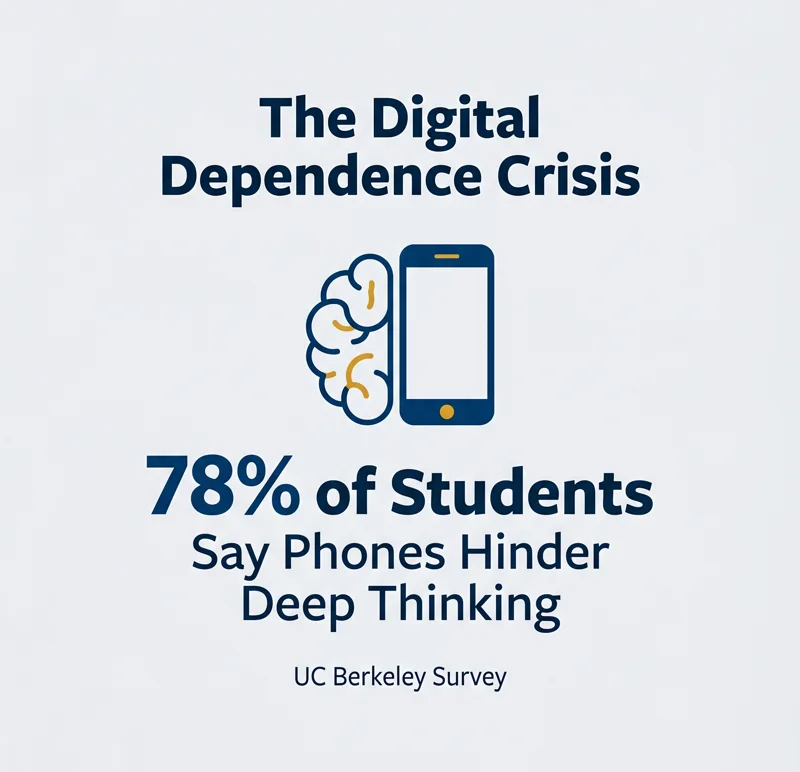
The pushback against smartphone addiction is not just a cultural fad; it is backed by alarming statistics and academic research. According to a recent survey of undergraduates, a staggering 78% of students reported that they believe their phone use actively prevents them from thinking deeply, being creative, or engaging fully with complex ideas. This sentiment is echoed by campus faculty.
Sahar Yousef, a neuroscientist and lecturer who serves on Project Reboot’s research advisory board, noted that her students are increasingly pushing back against the default state of constantly scrolling. They are highly aware of what they have lost to their screens and are highly motivated to get it back.
| Undergraduate Survey Metric | Percentage of Students |
|---|---|
| Believe phones hinder deep thinking | 78% |
| Feel a lack of daily creativity due to screens | Over 70% (Estimated) |
| Desire more in-person campus events | Significantly High |
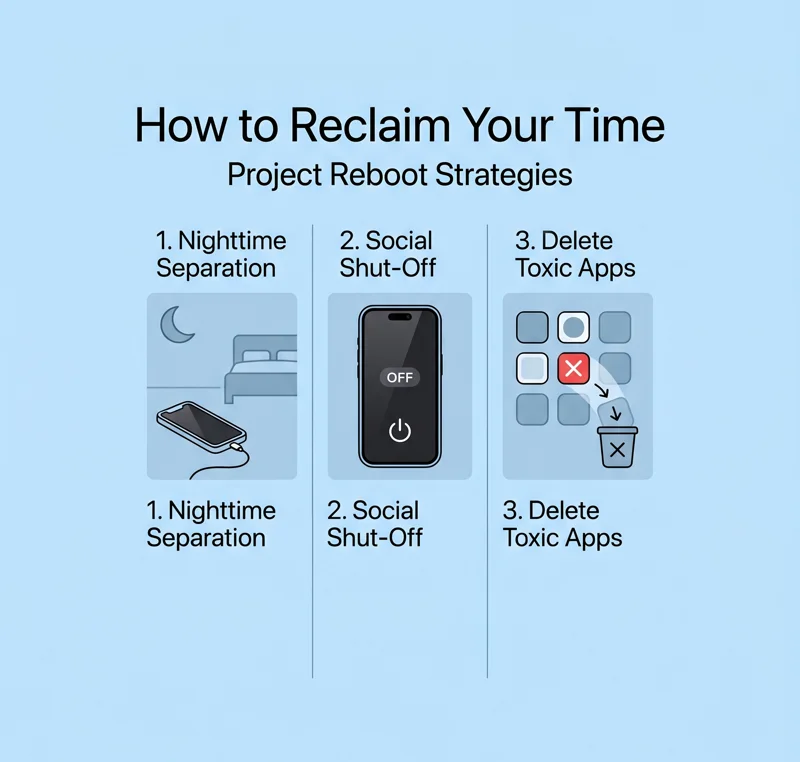
To combat this, students are exchanging actionable strategies to create distance from their devices. These aren’t just vague goals; they are practical, daily habit changes. Many report that deleting their social media accounts entirely has stopped the toxic cycle of comparing themselves to others, leading to much greater overall life satisfaction. For more insights on how universities are supporting student well-being, you can visit the official UC Berkeley website.
| Student Strategy | Practical Application |
|---|---|
| Nighttime Separation | Plugging the phone in across the room or outside the bedroom overnight. |
| Social Shut-off | Turning the device completely off (not just silent) while hanging out with friends. |
| Community Accountability | Joining groups like Project Reboot to share goals and maintain offline habits. |
“It was different this morning because I was able to recognize there is life around me. We should listen to what the world has to offer rather than just our phones.”
Ultimately, this student-led pushback is about reclaiming human agency. By consciously choosing to unplug, these young adults are setting a powerful precedent. They are proving that a life dominated by push notifications and algorithmic feeds is not an inevitable fate, but rather a choice that can be unmade.
Frequently Asked Questions
What is Project Reboot?
Project Reboot is a student organization founded on the UC Berkeley campus dedicated to helping young people reduce their screen time and regain their focus.
Why are college students throwing phone-free parties?
Students are throwing these events to foster genuine, in-person connections and to take a collective break from the constant distractions of their mobile devices.
How many students feel phones hinder their creativity?
According to a campus survey, 78% of students reported that smartphone use prevents them from thinking deeply and engaging fully with ideas.
What do students do with their phones at these events?
At events hosted by Project Reboot, attendees often have the option to voluntarily seal their cell phones in a plastic bag at the check-in table.
Who is Sahar Yousef?
Sahar Yousef is a UC Berkeley neuroscientist and lecturer who actively serves on the research advisory board for Project Reboot.
What are some common strategies to reduce screen time?
Popular student strategies include charging phones out of reach overnight, turning them off during social gatherings, and deleting social media apps.
How did Project Reboot originate?
The movement initially started as a semester-long academic class focused on helping students analyze and reduce their digital dependence.
Disclaimer: This article is for informational purposes only. The statistics and events mentioned are based on specific reports from the UC Berkeley campus and are meant to reflect current social trends regarding digital well-being.