Understanding the modern signal tech silicon valley phenomenon is absolutely critical for your career in 2026. If you want to survive in the hyper-competitive startup ecosystem, you must master the art of the subtle social cue.
In recent years, the tech industry has moved away from purely evaluating raw data. Instead, investors and hiring managers are intensely focused on an intangible predictor of success known simply as your “signal.”
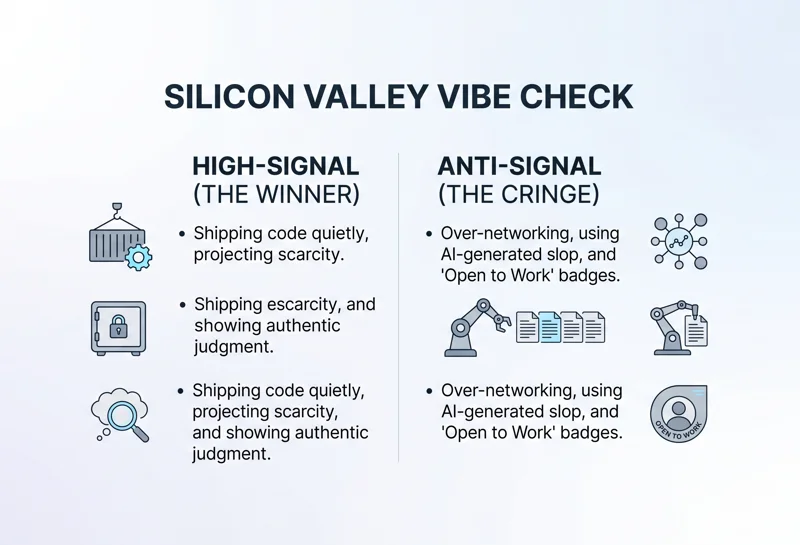
If your behaviors are deemed high-signal, you are perceived as a natural winner. Conversely, radiating anti-signal energy can instantly tank your chances with top-tier venture capitalists.
The Rise of the Signal Tech Silicon Valley Trend
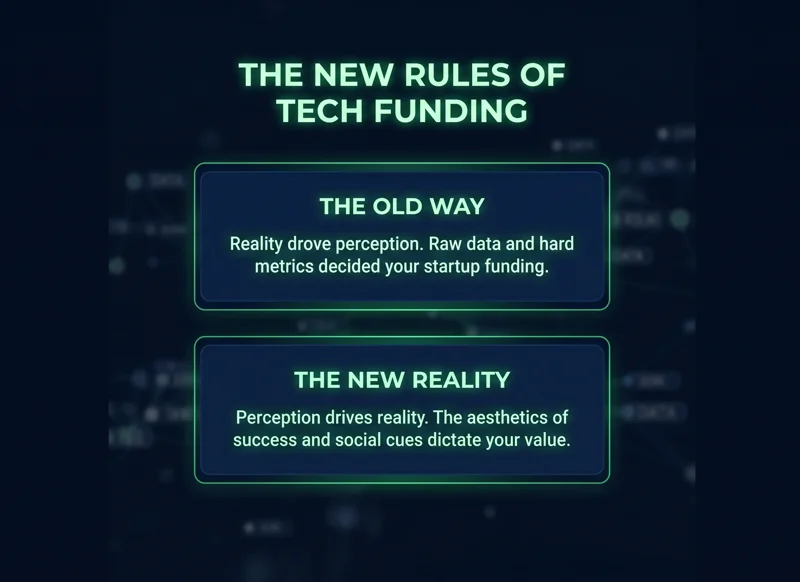
To fully grasp the current signal tech silicon valley landscape, we must look at how perception has overtaken reality. A slew of unseen factors now dictates who gets funded and who gets ignored.
Silicon Valley tech culture cues are incredibly nuanced. What might seem like a proactive career move to an outsider is often viewed as desperate by an insider.
For example, relying too heavily on AI-generated content or generic templates is now a massive anti-signal. It implies a lack of genuine taste, judgment, or authenticity.
“Ten years ago, there was a lot more belief that reality would drive perception. Today that has inverted, where perception drives reality.”
Founders are literally trying to hack the aesthetics of success. They understand that projecting scarcity and high demand is the ultimate currency.
Why the Signal Tech Silicon Valley Ecosystem Demands Perfection
Entering a high-signal talent ecosystem means you are instantly judged by your associations, your behaviors, and your online presence.
Venture capital funding aesthetics now heavily penalize founders who appear too eager. Even something as simple as bringing a heavily prepared pitch deck to a casual coffee meeting can be seen as trying too hard.
Top executives actively avoid typical networking dinners. In fact, hosting or attending generic VC networking events is increasingly viewed as an anti-signal by industry heavyweights.
| Behavior or Action | Signal Rating | Industry Perception |
|---|---|---|
| Shipping code quietly | High-Signal | Focused, productive, and intrinsically motivated. |
| Attending every networking event | Anti-Signal | Desperate for attention, lacking actual work. |
| Using AI-generated text publicly | Anti-Signal | Lacks taste, original thought, and discernment. |
Decoding Unspoken Rules in the Signal Tech Silicon Valley Scene
Thriving in the signal tech silicon valley environment requires knowing what to avoid. The most competitive tech spaces are teeming with these complex social traps.
Consider the LinkedIn open to work perception. While the platform encourages the green banner, elite recruiters and founders often view it as a glaring anti-signal.
The reasoning is harsh but simple: truly high-signal individuals are highly regarded by everyone in the market and are perceived as scarce assets who never need to advertise their availability.
Even traditional markers of success, like appearing on mainstream “30 Under 30” lists, are now widely mocked as anti-signal by the tech elite.
Understanding startup founder networking rules is the only way to navigate this ongoing vibe shift. You must learn to play the game without looking like you are playing the game.
You never want to show that you are desperate for a job, capital, or validation. The goal is to exude quiet competence and undeniable value.
“Part of being a good founder is that you learn the game. You never want to show that you’re desperate for a job or capital.”
Even the vocabulary is changing. Ironically, overusing the terms “signal” and “anti-signal” in public is rapidly becoming an anti-signal itself.
To stay updated on the latest shifts in venture capital and startup culture, keep an eye on resources like TechCrunch.
| Traditional Advice | Modern Signal Tech Reality |
|---|---|
| Promote your availability widely | Project scarcity and exclusive availability. |
| Pitch investors at every opportunity | Wait for warm, high-status introductions. |
| Chase media awards and lists | Focus entirely on product and revenue metrics. |
Ultimately, surviving the modern signal tech silicon valley landscape requires a delicate balance of intense ambition and calculated aloofness.
Frequently Asked Questions
What does signal tech silicon valley mean?
It refers to the unspoken social cues, behaviors, and aesthetics that investors and peers use to judge a person’s potential for success or failure in the tech industry.
What is a “high-signal” behavior?
A high-signal behavior projects competence, scarcity, and high value. Examples include quietly building a great product, having warm introductions to investors, and demonstrating exceptional personal taste.
Why is signal tech silicon valley important for VCs?
Venture capitalists use these signals as mental shortcuts to filter through thousands of pitches, relying on perception to identify founders who understand the complex social dynamics of the industry.
What is an “anti-signal” move?
An anti-signal move makes you look desperate or unaware of tech culture norms. Examples include using LinkedIn “open to work” badges, over-networking, or relying on AI-generated templates.
Is being on a “30 Under 30” list considered high-signal?
Surprisingly, no. In the current signal tech silicon valley culture, heavily publicized, mainstream awards are increasingly viewed as cringey anti-signals.
Why is using AI considered an anti-signal?
While building AI tools is praised, heavily relying on AI-generated “slop” for personal communication or pitch decks shows a lack of judgment, effort, and authentic taste.
How can I master the signal tech silicon valley culture?
Focus on your actual work, limit desperate networking, avoid corporate clichés, and cultivate an aura of competence and scarcity within your professional circles.
Disclaimer: This article is for informational purposes only. The opinions regarding high-signal and anti-signal behaviors reflect current cultural trends in the technology sector and do not guarantee career or funding outcomes.