monopoly tariffs china manufacturing made inusa realities have taken center stage in global economic discussions as a premium board game experiment reveals the true friction of re-shoring.
When policymakers attempt to alter trade flows using import taxes, businesses face complex logistical choices.
A recent high-profile case involving a special domestic production run of Monopoly highlights why moving consumer goods production back to the West remains extremely difficult.
Despite heavy legislative pressure, the fundamental structure of global logistics resists rapid transformation.
How monopoly tariffs china manufacturing made inusa Sparked a Strategic Pivot
The toy and game sector currently depends heavily on overseas production infrastructure to stay profitable.
However, after receiving a massive seven-figure import tax penalty, the WS Game Company decided to test domestic operational capabilities.
The core objective was simple: determine if an iconic product could be built entirely within the borders of the United States.
This localized trial created the foundation for analyzing the monopoly tariffs china manufacturing made inusa ecosystem dynamic.
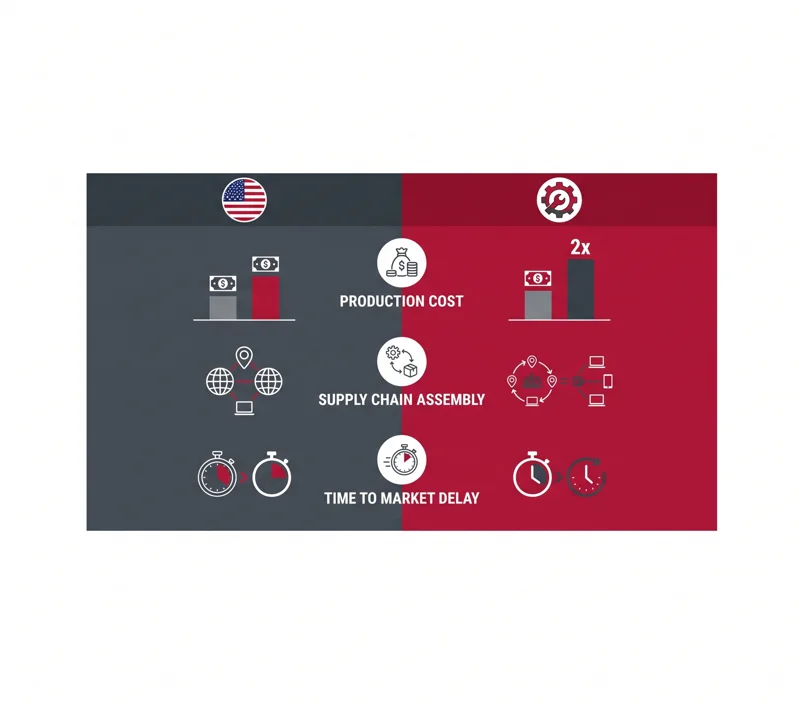
| Production Metric | China Facility Run | United States Facility Run |
|---|---|---|
| Manufacturing Cost Base | Standard Industry Baseline | At Least Double the Baseline |
| Supply Chain Consolidation | All Processes Under One Roof | Highly Fragmented External Vendors |
| Sourcing Setup Duration | Rapid Sourcing and Turnaround | Over One Year of Sourcing Work |
The Critical Friction points of the monopoly tariffs china manufacturing made inusa Shift
Sourcing separate components within a fragmented domestic market immediately triggered lengthy operational delays.
Assembling the specialized supply chain took over twelve full months of intense administrative effort.
Because of this long preparation phase, the company completely missed out on the lucrative first half of the regional selling season.
These persistent bottlenecks underscore why the monopoly tariffs china manufacturing made inusa conversation remains incredibly polarizing among corporate logisticians.
“When moving production away from established regional hubs, corporations do not just face higher wages—they lose the efficiency of all-in-one factory networks.”
Furthermore, internal financial ledgers revealed that total creation costs effectively doubled compared to previous overseas operations.
With an established retail price point of eighty dollars, duplicating this model across an entire catalog is unsustainable.
The core issue stems from a massive structural imbalance between regional industrial ecosystems.
This glaring divergence demonstrates the severe financial reality behind the monopoly tariffs china manufacturing made inusa initiative.
Why China Retains Dominance Over the Global Toy Industry
Decades of targeted infrastructure investments have turned overseas manufacturing hubs into massive powerhouse ecosystems.
These specialized facilities do not just manufacture the final goods; they simultaneously generate every single screw, spring, and specialized box liner needed.
Currently, roughly eighty percent of all toys and games distributed throughout America originate from these integrated industrial clusters.
Replicating this deeply connected layer of supporting suppliers requires trillions of dollars and multiple generations of construction.
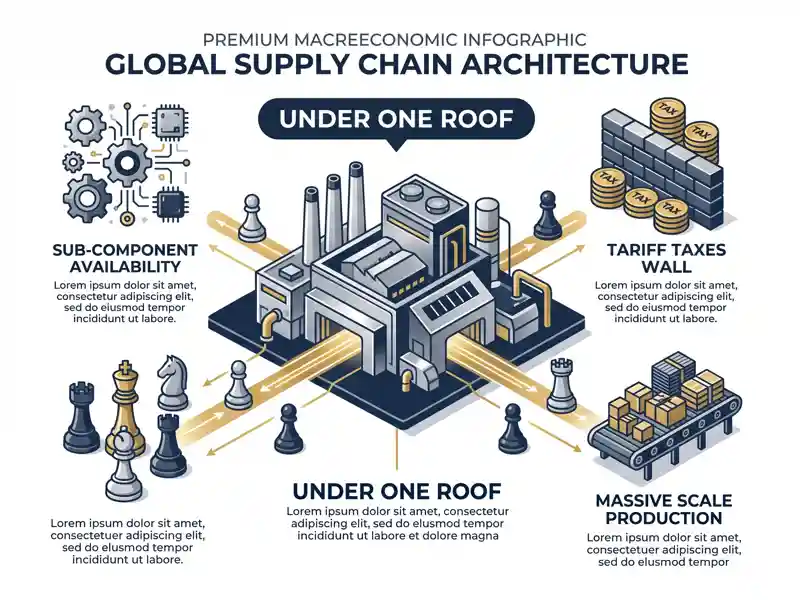
| Industrial Characteristic | Overseas Factory Hubs | Domestic Factory Hubs |
|---|---|---|
| Sub-Component Availability | Immediate Localized Access | Requires Inefficient Cross-State Shipping |
| Capital Investment Priority | Extremely High Specialized Automation | Low Priority for Low-Margin Consumer Goods |
| Labor Force Scalability | Massive Seasonal Elasticity | Highly Constricted Local Talent Pool |
The Strategic Advocacy for Toy Industry Tariff Exemptions
Recognizing these severe challenges, trade groups are lobbying regulatory boards for immediate policy changes.
Corporate managers argue that low-margin consumer items are poor candidates for national industrial target programs.
Instead, national capital should target strategically crucial sectors like high-performance semiconductor chips or aerospace infrastructure.
This strategic view shapes current debates regarding the monopoly tariffs china manufacturing made inusa economic landscape.
“We excel at high-value innovations across America, but we lack the foundational setup to efficiently produce low-margin consumable goods at a competitive scale.”
Industry leaders are heavily pushing for a thirty-billion-dollar trade carve-out to stabilize seasonal corporate planning.
To evaluate these broad domestic manufacturing indices and trade statistics, you can explore the Official US Census Bureau Foreign Trade Portal.
For now, while the special domestic edition remains a proud achievement, bulk production runs will continue overseas.
The experiment confirms that changing global trade lanes requires far more than adjusting tariff rates.
Consequently, managing the monopoly tariffs china manufacturing made inusa challenge remains an ongoing gamble for corporate executives.
FAQs
Why did the monopoly tariffs china manufacturing made inusa experiment cause a twofold increase in total production costs?
Sourcing individual parts from highly fragmented domestic vendors rather than an all-in-one centralized facility drastically elevated material and assembly expenses.
What percentage of toys and games sold within the United States currently come from overseas factories?
Approximately eighty percent of all toys and board games sold domestically continue to rely on overseas manufacturing networks.
Why did the localized assembly process for the special board game edition take over a full year?
The domestic sector lacks an integrated network of component suppliers, forcing managers to spend months locating individual factories for each piece.
Are toy companies trying to get exemptions from these ongoing import penalties?
Yes, trade associations are actively lobbying regulatory agencies for carve-outs, competing directly alongside footwear and apparel brands for financial relief.
What makes a centralized factory network superior to localized regional setups?
Centralized networks keep everything from raw processing to final package print operations under one roof, cutting out intermediate transport logistics and delays.
Should domestic investments prioritize low-margin consumer board games over other sectors?
Trade experts suggest that capital investments are much better utilized in high-margin, strategically vital areas like advanced microchip production.
Is the WS Game Company moving its entire catalog over to domestic factories permanently?
No, the executive team is keeping the rest of its core product lines overseas, treating the domestic run strictly as an isolated experiment.
Disclaimer: This article is for informational purposes only and represents an analysis of general macroeconomic events, industry trade reports, and supply chain experiments. Product pricing and policy frameworks are subject to regulatory updates.