The tech world is buzzing with the recent Microsoft Teams update, specifically the news that the famous microsoft teams together mode is officially being retired. For many remote workers across the globe, this unique feature defined the complex era of pandemic virtual meetings.
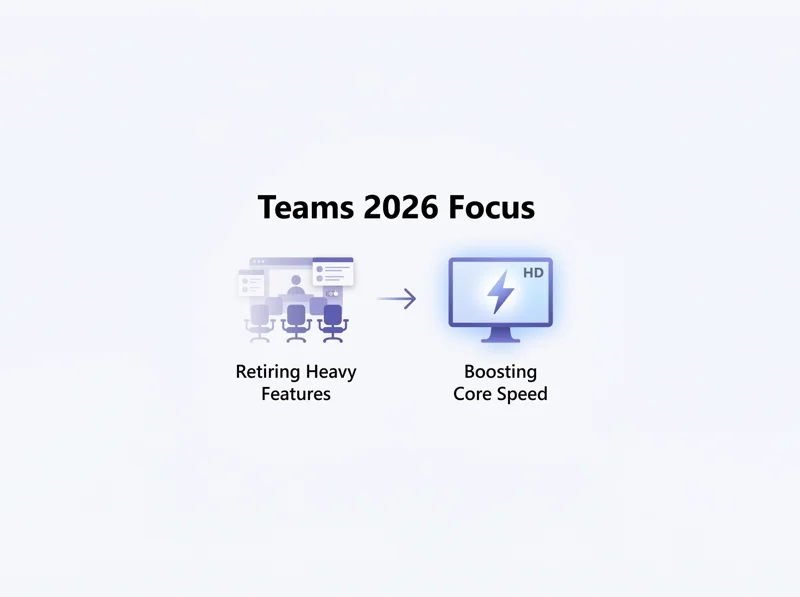
Launched at a time when we all desperately craved connection, this AI-powered tool artificially placed colleagues in a shared virtual space. However, as workplace dynamics and technology demands have shifted significantly by 2026, so too have the core priorities for enterprise software.
Microsoft is shifting its developmental focus away from what some critics called visual “gimmicks.” Instead, the company is doubling down on core video conferencing performance. Let us dive deep into the reasons why the microsoft teams together mode is finally saying its final goodbye.
The End of an Era for the microsoft teams together mode
It is genuinely hard to forget the initial rollout of the microsoft teams together mode. It served as a highly creative solution to combat the very real phenomenon of meeting fatigue.
The system intelligently used artificial intelligence to cut out your head and shoulders, seamlessly placing your live video feed into digital auditorium seats alongside your peers. You could virtually high-five your coworkers and share a cohesive digital background.
While the microsoft teams together mode did help significantly limit visual background distractions from messy home offices, it also introduced a level of unnecessary visual complexity. Enterprise users often found the custom scenes and seating arrangements distracting during serious business reviews.
“While highly innovative for its time, the virtual auditorium experience eventually gave way to the pressing need for a streamlined virtual meeting interface.”
Gradually, the novelty of the experience wore off. Companies began to realize that running features exactly like the microsoft teams together mode was actively consuming valuable localized computing resources.
| Feature Phase | Historical Timeline | General User Sentiment |
|---|---|---|
| Initial Launch Phase | Peak Pandemic Era | High excitement, feeling of deep connection |
| Feature Expansion | Post-Pandemic Hybrid Work | Mixed reactions, some found custom scenes distracting |
| Retirement Announcement | 2026 Software Restructuring | Understanding, strong preference for app speed |
Why removing the microsoft teams together mode improves performance
The firm decision to deprecate the microsoft teams together mode is largely driven by massive amounts of user data and direct enterprise feedback. Simply put, business people want their communication apps to be blazing fast and highly reliable.
Rendering a unified digital environment in real-time requires significant CPU and GPU processing power. By totally removing the microsoft teams together mode, developers can efficiently reallocate those hardware resources.
| Performance Metric | Traditional Grid View | Virtual Auditorium |
|---|---|---|
| Local Resource Usage | Low to Moderate Impact | High Impact (Constant AI masking required) |
| Overall Visual Clarity | High Clarity (Direct focus on facial expressions) | Variable Quality (Heavily depends on scene layout) |
| Menu Navigation | Simple, fast, and highly intuitive | Often cluttered with unnecessary seat assignments |
Focusing on Fundamentals After the microsoft teams together mode Era
With the microsoft teams together mode successfully removed from the ecosystem, the overarching developmental goal is creating a much more streamlined virtual meeting interface for all users.
Users can expect the toggle for this specific setting to gradually vanish entirely from the top view menu. Along with it, specific features like virtual seat assignments and digital auditoriums will disappear.
Microsoft actively aims to vastly reduce software fragmentation. Having a uniform, clean layout across desktop, mobile, and web versions ensures far less confusion for major enterprise clients.
“By surgically cutting away the visual extras, software engineers are doubling down on what truly matters to businesses: crystal clear audio and uninterrupted video streams.”
The total absence of the microsoft teams together mode brilliantly paves the way for substantial Teams video quality improvements across the board.
For official updates regarding these ongoing transition phases, you can consistently monitor the Microsoft Teams Tech Community blog.
Embracing the streamlined interface without the microsoft teams together mode
Less clicking during a call naturally equates to more overall productivity. Navigating the application will be vastly simpler without the heavy overhead associated with the microsoft teams together mode.
This minimalist approach aligns perfectly with modern corporate IT needs. Measurable Teams video quality improvements are simply far more valuable than virtual high-fives in a serious boardroom setting.
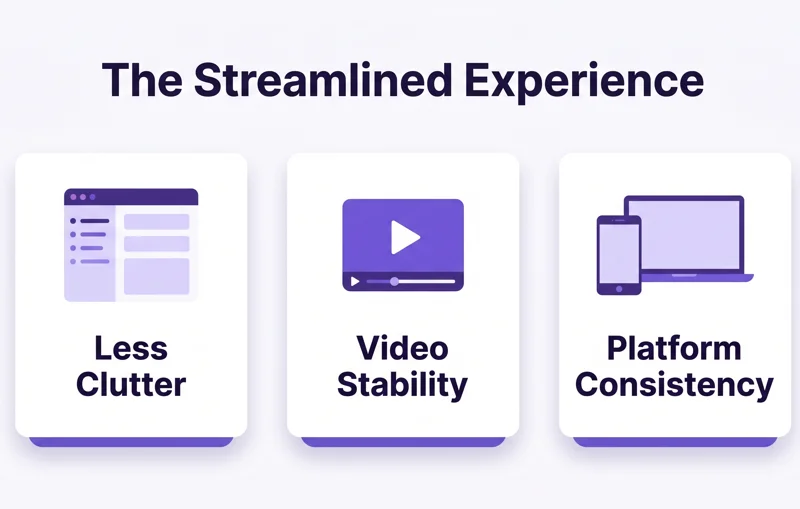
| Key Improvement Area | Expected Business Impact |
|---|---|
| User Interface Clutter | Significantly reduced menus and toggles for quicker meeting setup times |
| Core Video Stability | Noticeably fewer dropped frames during incredibly large corporate calls |
| Platform Consistency | An identical, smooth user experience on Mac, Windows PC, and Mobile apps |
As we continue to move forward through 2026, the distinct memory of the microsoft teams together mode will undoubtedly remain a fascinating case study in rapidly adaptive software design.
Frequently Asked Questions about the microsoft teams together mode
Why is the microsoft teams together mode being officially retired now?
Microsoft is retiring the feature to reduce application clutter and redirect engineering focus toward improving base video stability, resolution, and overall call performance.
When exactly will the microsoft teams together mode disappear from my application?
The removal is being rolled out gradually throughout 2026. You will slowly notice the toggle completely disappear from your main view menu during regular updates.
Will any features associated with the microsoft teams together mode remain available?
No, specific tied features such as virtual custom scenes and assigned digital seating will also be completely removed alongside the main viewing mode.
Did the microsoft teams together mode actually slow down my computer?
Yes, for many users with older hardware, the continuous AI processing required to crop out backgrounds and place users in digital seats consumed heavy CPU and GPU resources.
How does removing the microsoft teams together mode help with software fragmentation?
By stripping away complex, hardware-intensive features, Microsoft can ensure that the core application functions identically and smoothly across all operating systems and devices.
Will standard background blurring still work without the microsoft teams together mode?
Absolutely. Standard background blurring and basic static background replacements will remain fully functional, as they require significantly less processing power than dynamic virtual scenes.
Is there a direct replacement coming for the microsoft teams together mode?
There is no direct 3D visual replacement planned. Instead, the upcoming updates will strictly feature a highly streamlined virtual meeting interface centered around standard high-definition video grids.
Disclaimer: This article is for informational purposes only and is based on recent software update announcements from Microsoft. Features and timelines are subject to change.