EA rolls out Advertising platform to let companies market directly into gameplay. In a massive shift for the interactive entertainment industry in 2026, US publishing giant Electronic Arts has officially announced the launch of “EA Advertising.” This internal initiative establishes a specialized framework designed to bridge global brands with active gaming audiences worldwide.
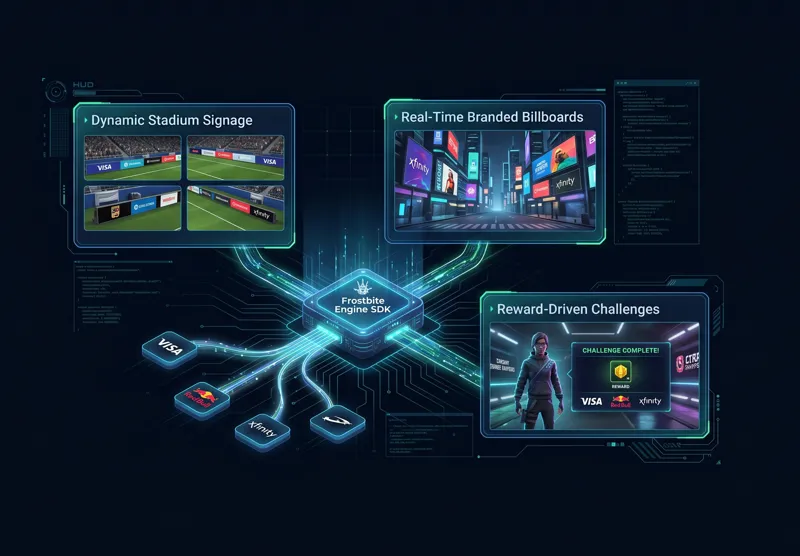
According to official statements, this novel marketing pipeline will be driven through dynamic, real-time placements integrated natively within virtual environments. Gamers can expect to see live-updating advertisements plastered across digital stadium signage, roadside billboards, and other contextual elements inside their favorite virtual worlds. EA claims that this infrastructure is carefully crafted to enhance, rather than disrupt, the core player experience.
The Technical Blueprint Behind Why EA rolls out Advertising platform to let companies market directly into gameplay
Going into technical detail, Electronic Arts has built a highly sophisticated suite of monetization options tailored for modern tracking. Instead of relying on traditional static images, the platform introduces custom integrations built specifically for unique interactive audiences. These include specialized in-game challenges, branded achievements, and reward-driven objectives that incentivize consumer participation.
The operational engine powering these ad placements relies heavily on a proprietary ad server and a custom software development kit. This software is built directly into EA’s famous Frostbite engine. By utilizing this deep engine integration, Electronic Arts offers corporate partners advanced targeting and measurement capabilities, ensuring maximum financial efficiency for every ad campaign deployed.
With EA Advertising, we’re helping brands become part of those moments in ways that are relevant and built for players, while maintaining authenticity in the worlds our teams are building.
| Ad Placement Type | Integration Method | Target Titles |
|---|---|---|
| Dynamic Real-Time Ads | Live-updating stadium signage & banners | EA Sports Simulation Games |
| Branded Challenges | Reward-driven gameplay objectives | Live-Service Action Multiplayer |
Corporate Partners Supporting the EA Advertising In-Game Platform
The financial potential of this ecosystem has already caught the attention of major mainstream conglomerates. Early corporate adopters who signed on for the initial rollout include massive brands like Visa, Lowe’s, Red Bull, Mountain Dew, Xfinity, and Peacock. This immediate corporate backing ensures that premium interactive titles will soon display high-profile real-world marketing assets.
Electronic Arts believes that because players interact with live-service ecosystems every single day to play, create, and connect, brands have a meaningful opportunity to show up authentically. However, executing this strategy properly without alienating the passionate core community remains a delicate balancing act for the publisher.
The Industry Backlash as EA rolls out Advertising platform to let companies market directly into gameplay
While advertising within interactive media is technically not a new phenomenon, injecting ads directly into premium, full-priced video games has historically sparked intense controversy. Consumer advocates frequently argue that players who purchase luxury gaming titles should not be subjected to commercial interruptions. The move has reignited debate among high-level corporate executives across the competitive landscape.
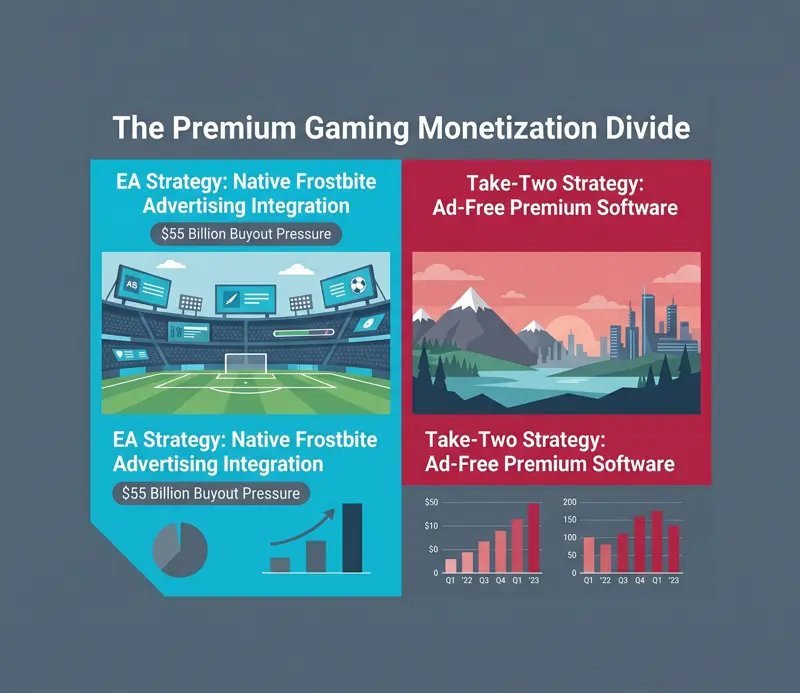
Recently, competing industry leaders have vocalized strict opposition to this aggressive optimization format. For instance, the leadership at Take-Two Interactive explicitly noted that it would be fundamentally unfair to force commercial advertisements inside premium interactive software. Electronic Arts itself has famously attempted to deploy unskippable in-game advertisements in the past, resulting in severe public backlash and immediate mechanical rollbacks.
Injecting non-disruptive, real-time marketing into live ecosystems offers immense financial scale, but maintaining player trust must remain the core priority.
| Publisher Strategy | Monetization Philosophy | Player Experience Impact |
|---|---|---|
| Electronic Arts | Native Frostbite SDK ad integration | Dynamic, contextual real-time branding |
| Take-Two Interactive | Avoid ads within premium software | Traditional premium consumer experience |
The Financial Context: EA Rolls Out Advertising Platform to Let Companies Market Directly Into Gameplay
The sudden focus on aggressive alternative monetization strategies becomes much clearer when looking at the publisher’s current financial situation. Electronic Arts is currently navigating a complex $55 billion leveraged buyout led by Saudi Arabia’s Public Investment Fund. With roughly $20 billion of that massive acquisition price being actively financed through heavy corporate debt, maximizing operational revenue streams has become a paramount necessity before the deal formally closes in 2027.
Ultimately, as EA rolls out Advertising platform to let companies market directly into gameplay, the entire landscape will watch to see if this implementation succeeds. If players accept these integrated advertisements, it could permanently alter how major multi-million dollar video games are funded and monetized moving forward. To keep up with further economic updates on this merger, check out the official Electronic Arts Official Website.
Frequently Asked Questions
What exactly is the newly announced EA Advertising system?
It is a brand-new internal media platform developed by Electronic Arts that permits corporate brands to place interactive marketing assets directly inside active video game software.
How will these advertisements be displayed to active players?
The ads will manifest as dynamic, real-time placements, such as contextual stadium signage in sports games or branded in-game progression challenges.
Which game engine natively supports this new advertising infrastructure?
The advertising platform relies on a custom software development kit built specifically for EA’s proprietary Frostbite engine.
What major corporations have already signed on to advertise with EA?
High-profile global companies including Visa, Red Bull, Mountain Dew, Lowe’s, Xfinity, and Peacock have already joined the platform as launch partners.
Why is this in-game marketing strategy considered highly controversial?
Many consumers feel that full-priced, premium games should remain completely free of real-world advertisements, viewing them as an unnecessary corporate intrusion into their entertainment.
Has Electronic Arts attempted to integrate real-world ads into games before?
Yes. EA has experimented with in-game advertising platforms in older sports generations, but those initiatives faced immense player backlash and were ultimately phased out.
Is Electronic Arts undergoing a corporate acquisition?
Yes. EA is currently the subject of an massive $55 billion leveraged buyout led by Saudi Arabia’s Public Investment Fund, which is scheduled to conclude near the end of June 2027.
Disclaimer: This article is for informational purposes only. The descriptions of game monetization platforms, corporate buyout strategies, and software development kits reflect industry announcements as of 2026 and are subject to evolution or modification by the publisher.