The conversation around ai taste anthropic claude opus capabilities is dominating Silicon Valley boardrooms in 2026 as developers seek the ultimate differentiator for their models. For years, artificial intelligence has been described as smart, efficient, highly analytical, and occasionally empathetic. Now, leading tech firms are chasing a highly subjective, incredibly elusive new frontier: making AI “tasteful.” This shift is fundamentally changing the way we interact with generative technology, moving away from robotic data retrieval toward machine learning creative polish and genuine aesthetic judgment.
The War on AI-Generated Content Slop
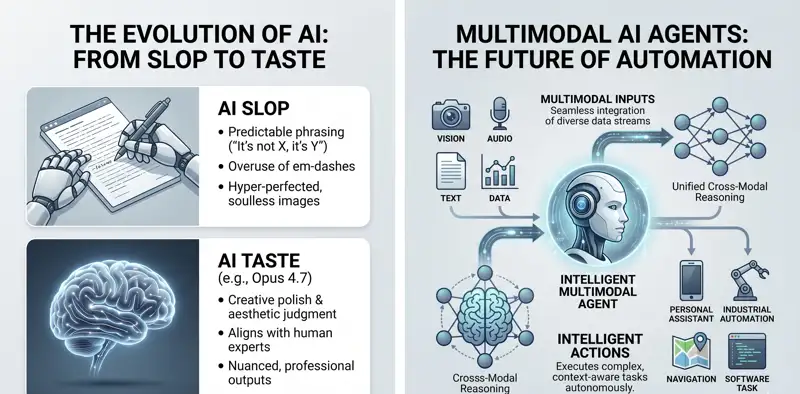
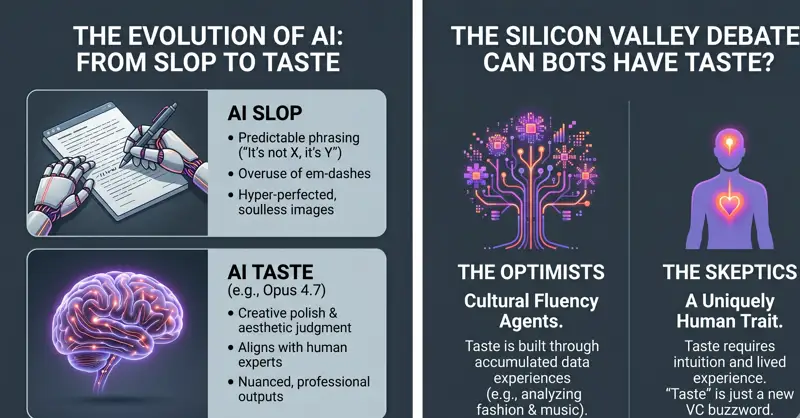
To understand why taste is suddenly the most prized attribute in artificial intelligence, one must look at the current state of digital content. Over the past few years, the internet has been flooded with what critics refer to as “slop”—a derogatory shorthand for low-effort, recognizable, and highly generic AI-generated content. This slop is characterized by specific “tells,” such as an over-reliance on em dashes, robotic phrasing like “it’s not X, it’s Y,” and an abundance of glossy, hyper-perfected digital imagery that lacks soul.
Users and professionals alike are suffering from fatigue. While bosses might appreciate the speed of AI generation, everyday consumers and teenage digital natives ruthlessly mock its lack of a “coolness factor.” This is where AI aesthetic judgment and creativity come into play. Tech giants realized that if AI is to become fully integrated into high-level professional and creative workflows, it must stop producing work that looks undeniably artificial.
Taste is both the thing that separates humans from the bots and the thing that many humans want the bots to have so that the work it creates doesn’t look like slop.
Anthropic’s Opus 4.7: Engineering Aesthetic Judgment
Leading the charge in this new movement is Anthropic with its newest model, Opus 4.7. The company explicitly claims that this iteration is inherently more tasteful when completing professional tasks. But what does “taste” mean in the context of a large language model? It does not mean the bot is going to critique your culinary choices or tell you your pasta needs more garlic. Instead, Anthropic defines it as the ability to produce higher-quality interfaces, compelling presentation slides, and professional documents that possess a refined creative polish.
According to the developers, the goal is for the machine’s outputs to seamlessly align with what an experienced human practitioner in a specific domain would universally consider to be “great work.” To learn more about how they are shaping these guidelines, you can explore the Anthropic Official Website.
We mean its outputs align better with what an experienced practitioner in that domain would consider great work, displaying unparalleled aesthetic judgment.
Can Artificial Intelligence Cultural Fluency Be Programmed?
Anthropic is not the only entity pursuing this ambitious goal. Consumer tech startups, like the Patron Fund, are exploring artificial intelligence cultural fluency by building unique AI agents trained to exhibit distinct cultural preferences and aesthetic judgments. They argue that taste is simply the byproduct of accumulated experiences that inform perspective.
For instance, they have developed experimental agents named “Daisy,” programmed to actively follow fashion week, play golf, and consume K-Pop media. By feeding these agents highly specific cultural data streams, developers hope they will build taste profiles in the exact same manner that human beings do—through exposure, repetition, and cultural osmosis.
The Skeptics: Is “Taste” Just Another Tech Buzzword?
Despite these technological strides, the concept of programming taste remains heavily debated among tech leaders. Prominent venture capitalists like Marc Andreessen argue that AI inherently lacks taste, especially when it comes to high-stakes decisions like picking winning companies to invest in. To skeptics, true taste is an exclusively human trait—it involves intuition, lived experience, and an emotional connection to art, literature, and music that a machine simply cannot replicate.
Furthermore, some industry insiders argue that the word “taste” has lost all substantive meaning in 2026. Critics suggest that it has become just another trendy buzzword rocketing around the venture capital content marketing ecosystem. In many cases, executives throwing around the word are merely trying to signal their own hipness rather than describing a genuine technological breakthrough.
Many of the folks throwing around the word ‘taste’ today are just trying to signal hipness in a market flooded with generic buzzwords.
However, the results are becoming harder to ignore. We are witnessing AI-generated music topping the charts, and prominent figures like OpenAI’s Sam Altman have publicly praised metafiction stories written by models specifically trained to be exceptional at creative writing. Whether we call it true “taste” or just highly sophisticated mimicry, the reality is that the newest models are generating far fewer of the telltale signs of AI tastelessness. As we move deeper into 2026, the true test will be whether AI models start successfully creating more of what humans naturally prefer, or if human preferences will gradually shift to favor what the bots are creating.
Frequently Asked Questions
What does it mean for an AI to have “taste”?
In the tech industry, AI “taste” refers to a model’s ability to apply aesthetic judgment and creative polish to its outputs, ensuring the results look professional, nuanced, and distinctly human-like rather than robotic.
What is Anthropic’s Opus 4.7 known for?
Anthropic’s Opus 4.7 is heavily marketed for being a “tasteful” model. It is designed to generate high-quality, professional interfaces, documents, and presentations that align with the standards of experienced human practitioners.
What do critics mean when they say “AI slop”?
“AI slop” is a colloquial term used to describe low-quality, generic, and easily recognizable AI-generated content that lacks originality, nuance, and human touch.
Can AI develop cultural fluency?
Companies are attempting to program cultural fluency by feeding AI agents specific lifestyle and cultural data (like fashion trends and music preferences) to help them mimic human perspective and aesthetic preferences.
Why do some tech leaders doubt AI can have taste?
Skeptics believe that true taste relies on lived human experience, intuition, and emotional resonance—factors that machines cannot genuinely possess or understand, no matter how much data they process.
How are newer models hiding the fact they are AI?
Newer models are being trained to reduce obvious AI “tells,” such as repetitive sentence structures (e.g., “it’s not X, it’s Y”), excessive use of em dashes, and overly plastic, hyper-realistic image generation.
Is the concept of AI taste just a marketing buzzword?
There is an ongoing debate. While developers are making genuine strides in improving output quality, many critics and venture capitalists argue that “taste” is currently being overused as a buzzword to signify a product’s hipness or modern appeal.
Disclaimer: This article is for informational purposes only. The discussion of AI models, features, and industry trends reflects the tech landscape and debates as of 2026, and opinions on AI capabilities vary widely among experts.