If you are exploring tech history and asking what happened to zenith tvs why brand disappeared, you are looking at one of the most fascinating corporate downfalls in American manufacturing history. At the height of its better days, Zenith was a premier American TV manufacturer well known for top-of-the-line sets. Those looking to build a high-end home movie theater with a high-fidelity display would generally migrate towards Zenith as the centerpiece of their living room. Today, however, the brand is a ghost, existing primarily in thrift stores and retro gaming setups. To understand this monumental shift, we must look at the brand’s golden era, its financial missteps, and the fierce global competition that ultimately sealed its fate.
The Golden Era and the 1999 Chapter 11 Bankruptcy
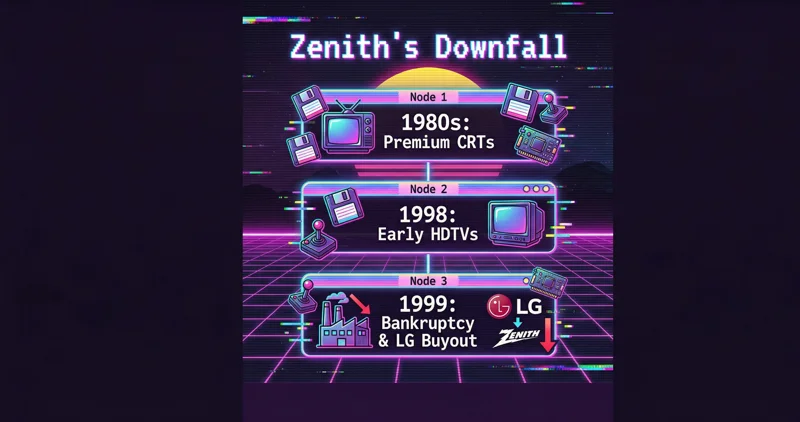
For decades, Zenith was the undisputed king of home entertainment. They were not just a television assembly line; they were innovators who took immense pride in their domestic engineering. In fact, Zenith was one of the early HDTV manufacturers, producing some of the very first high-definition TV sets that became incredibly popular around 1998. This was a company that prided itself on unparalleled build quality and reliability.
“The quality goes in before the name goes on.” — The legendary Zenith company slogan.
Despite their pioneering efforts in high-definition technology, the financial foundation of the company was rapidly deteriorating. In a move that shocked the tech and business world, the company filed for the Zenith Chapter 11 bankruptcy 1999. This pivotal and devastating moment marked a significant chapter in the broader American electronics brand downfall, signaling that domestic companies could no longer survive on brand loyalty alone in an aggressively globalized market.
| Era | Key Zenith Milestone | Market Impact |
|---|---|---|
| 1950s – 1980s | Premium CRT Manufacturing | Absolute dominance in the American home theater market. |
| Late 1990s | Development of early HDTVs | Brief surge in technological relevance before financial collapse. |
| 1999 | Chapter 11 Bankruptcy | Loss of independence; transition to foreign ownership. |
Fierce Competition and the LG Electronics GoldStar Acquisition
What exactly triggered the collapse of such an iconic titan? The answer lies in a fatal combination of rising overseas competition, a stubborn adherence to outdated production models, and detrimental cost-cutting measures. By the late 1990s, rival manufacturers like Sony, Panasonic, RCA, and Sharp had aggressively established themselves in the market. More importantly, these competitors had successfully shifted their operations to regions where production was drastically cheaper.
When Zenith finally attempted to outsource and cut costs to remain financially viable, it did so at the heavy expense of its legendary build quality. The brand rapidly lost its sterling reputation. Furthermore, Zenith was a relatively small company compared to its massive global rivals. This downward spiral culminated in the LG Electronics GoldStar acquisition. After GoldStar (which later rebranded entirely as LG) purchased the controlling stake, Zenith became a mere subsidiary. The parent company quickly shifted its focus away from Zenith-branded televisions, prioritizing its own global LG brand, which you can read more about in LG’s official corporate heritage archive.
“A conservative approach to tried-and-true technology opened the door for Zenith to fall behind fast-moving global innovation.”
The Modern Revival: Vintage CRT TVs for Retro Gaming
While you will not find new Zenith televisions in big-box electronics retailers in 2026, the brand has ironically experienced a massive resurgence in niche communities. If you happen to stumble across a well-preserved Zenith in a thrift store, experts strongly advise picking it up. Vintage CRT TVs for retro gaming have become highly coveted items.
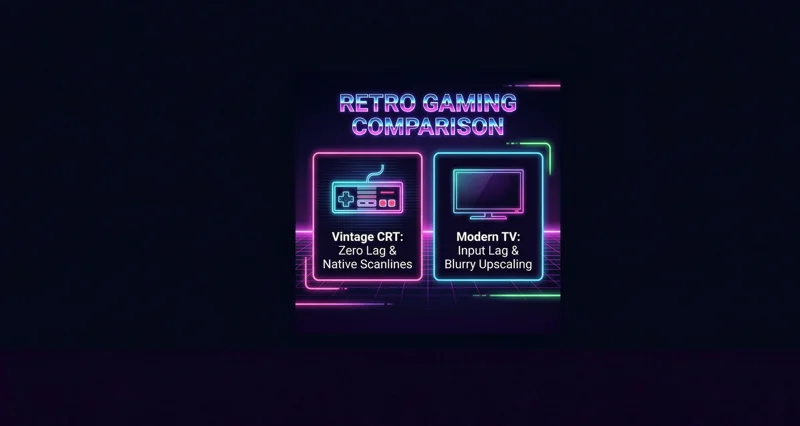
Modern ultra-thin panels introduce input lag and upscale old analog signals poorly. In contrast, the heavy, cathode-ray tube displays of old Zenith sets render classic video games exactly as their developers intended, with zero lag and authentic scanlines. The very heavy, bulky design that made them obsolete in the early 2000s is exactly what makes them premium collector’s items today.
| Feature | Vintage Zenith CRT TV | Modern Budget Smart TV |
|---|---|---|
| Input Lag | Effectively Zero (Perfect for retro gaming) | Noticeable (Requires specific game modes) |
| Resolution Scaling | Native analog scanlines | Blurry digital upscaling on old consoles |
| Durability | Extremely heavy, wooden or thick plastic casing | Ultra-thin, highly fragile materials |
Frequently Asked Questions
Why did Zenith TVs go out of business?
Zenith went out of business primarily due to fierce competition from overseas electronics manufacturers, high domestic production costs, and a failure to innovate quickly enough, leading to their 1999 Chapter 11 bankruptcy.
Who bought the Zenith television brand?
The South Korean company GoldStar, which later changed its name to LG Electronics, acquired a controlling stake in Zenith and eventually bought the remaining shares.
Are old Zenith TVs worth any money today?
Yes, specifically for niche markets. A well-functioning vintage Zenith CRT TV is highly sought after by retro gaming enthusiasts and collectors, often fetching decent prices online or at local thrift stores.
Did Zenith invent the high-definition TV?
While they did not invent it single-handedly, Zenith was one of the major early pioneers of HDTV technology and produced some of the very first high-definition sets in the late 1990s before their financial collapse.
What was Zenith’s famous company slogan?
Zenith’s iconic marketing slogan was “The quality goes in before the name goes on,” which highlighted their early commitment to premium American manufacturing.
Why are CRT TVs better for retro gaming?
CRT (Cathode-Ray Tube) TVs process analog signals instantly without the digital input lag found in modern flat screens. They also naturally display the horizontal scanlines that classic video games were graphically designed around.
Does LG still make TVs under the Zenith name?
No, LG eventually phased out the Zenith brand name entirely to focus solely on its global LG electronics branding, making the Zenith name a relic of the past.
Disclaimer: This article is for informational purposes only. Brand histories, corporate acquisitions, and current vintage market values are based on historical data and enthusiast trends as of 2026.