The headline echoing across the gaming industry today is clear: We are profoundly disappointed by Sonys decision Game companies express dismay at the end of PlayStation disc production.
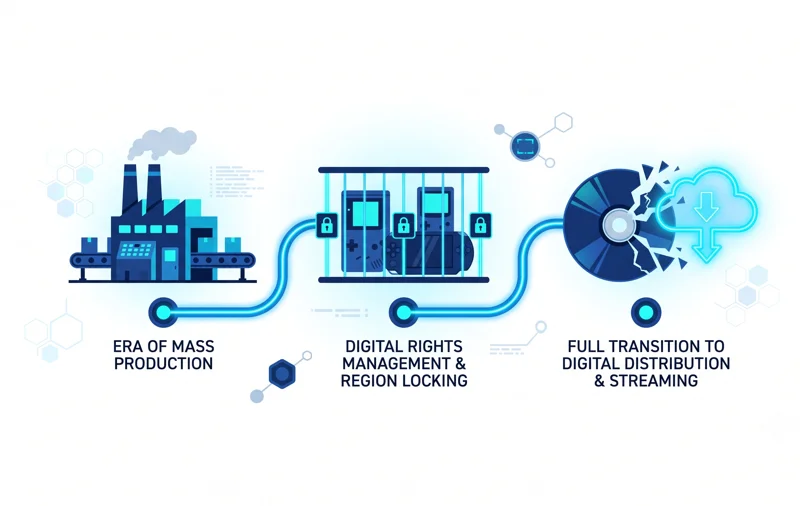
Sony recently dropped a massive bombshell on the gaming community, officially announcing plans to completely discontinue all physical disc manufacturing for new PlayStation games starting in January 2028.
This aggressive pivot to an all-digital future has sent shockwaves through the development community, leading to intense debates about game ownership, preservation, and consumer rights.
Understanding Why We are profoundly disappointed by Sonys decision Game companies express dismay at the end of PlayStation disc production
The transition toward digital media has been looming for years, but a definitive cutoff date makes the reality unavoidable for physical media advocates.
According to reports, Sony is already repurposing its final physical disc factory in Austria, actively retraining workers to manufacture optical microlenses instead of game discs.
Furthermore, Sony is accelerating its digital cleanup by closing the PlayStation Store for legacy consoles like the PS3 and PS Vita by July 2027.
“Physical games are vital to games preservation, ownership, and consumer choice, values that have guided our industry for decades.”
These combined actions clearly signal that the physical era is ending, which perfectly explains why We are profoundly disappointed by Sonys decision Game companies express dismay at the end of PlayStation disc production.
The Collector’s Crisis: We are profoundly disappointed by Sonys decision Game companies express dismay at the end of PlayStation disc production
For independent publishers and specialized physical distributors, this mandate threatens a highly profitable and culturally significant segment of the market.
Companies like Iam8bit, Atari, and Limited Run Games have built massive communities by providing tangible, premium products that players can physically own and display.
Without the ability to press new PlayStation discs, these companies are forced to entirely rethink their business models and how they deliver value to their dedicated collectors.
| Key Event | Impacted Platforms | Effective Date |
|---|---|---|
| Legacy Store Closures | PlayStation 3 & PS Vita | July 2027 |
| End of Physical Discs | PlayStation 5 & Future Consoles | January 2028 |
| Factory Repurposing | Austrian Disc Manufacturing Plant | Currently Underway |
Silver Lining Interactive noted that catalogue physical sales remain extremely strong, making this forced transition a severe financial blow to indie developers.
They, alongside others, are scrambling to figure out how to continue offering “code-in-box” releases or other physical merchandise to keep the collector spirit alive.
Game Preservation and Why We are profoundly disappointed by Sonys decision Game companies express dismay at the end of PlayStation disc production
Perhaps the most critical argument against Sony’s all-digital mandate comes from game preservationists and digital historians.
Frank Cifaldi, director of the Video Game History Foundation, pointed out that the industry is severely lacking a legal framework to protect digital-only titles from being lost forever.
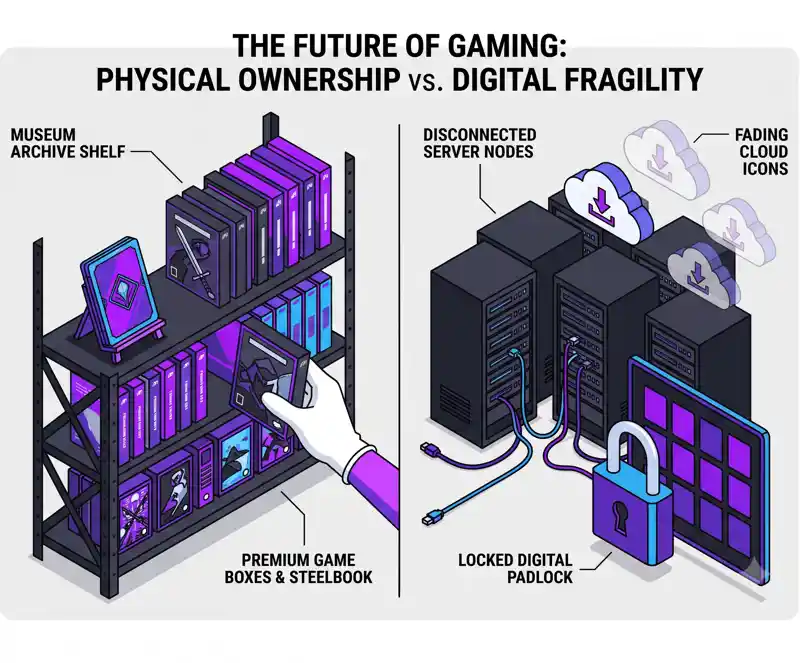
When a digital storefront shuts down, or a licensing agreement expires, digital games can simply vanish from existence without a physical backup available.
“Asking museums to download a digital copy and hope that it will still successfully run in 50 years is simply not a valid preservation solution.”
The Entertainment Software Association has repeatedly opposed efforts by cultural heritage institutions to reform digital copy protection laws, making preservation extremely difficult.
This is the exact regulatory friction that proves why We are profoundly disappointed by Sonys decision Game companies express dismay at the end of PlayStation disc production.
| Game Publisher | Public Stance on the 2028 Ban |
|---|---|
| Iam8bit | Profoundly disappointed; committed to consumer choice. |
| Atari | Exploring new ways to satisfy physical collector demand. |
| Limited Run Games | Acknowledges the end of an era, but will not slow down production elsewhere. |
| Silver Lining Interactive | Seeking clarity; will keep physical media available via alternate formats if needed. |
As we move closer to 2028, the gaming community must rally together to demand better preservation tools from massive platform holders.
If action is not taken, the phrase “We are profoundly disappointed by Sonys decision Game companies express dismay at the end of PlayStation disc production” will be remembered as the moment we lost gaming history.
Frequently Asked Questions
When exactly will Sony stop producing physical PlayStation discs?
Sony has officially announced that they will halt the production of new physical PlayStation discs starting in January 2028.
Will my old PlayStation physical discs stop working after 2028?
No, titles that were printed and released on physical discs prior to the January 2028 cutoff will remain completely unaffected and will continue to work.
What is happening to the legacy PlayStation digital stores?
Sony plans to permanently close down the digital PlayStation Store for the PS3 and the PS Vita platforms by July 2027.
Why are independent game developers so angry about this change?
Many indie developers rely heavily on physical collector’s editions for significant revenue, and they view physical media as essential for consumer ownership.
What is happening to Sony’s existing disc manufacturing factories?
Sony is reportedly repurposing its last physical disc factory in Austria, retraining the staff to manufacture optical microlenses instead.
Will companies like Limited Run Games go out of business?
No, these companies have stated they will pivot to other platforms like Nintendo, or offer unique physical merchandise and “code-in-box” formats for PlayStation users.
Why is an all-digital future bad for video game preservation?
Without physical copies, games tied to digital storefronts can disappear forever when servers shut down, making it nearly impossible for museums to legally archive them.
Disclaimer: This article is for informational purposes only. The statements regarding corporate policies, factory repurposing, and store closures are based on industry reports and public publisher reactions available as of 2026. Future platform policies are subject to change.