When tim cook discusses trump, the conversation inevitably circles back to a central philosophy: engagement over isolation, and policy over politics. In a modern corporate landscape where business leaders are heavily scrutinized for their political associations, the Apple CEO has maintained a remarkably pragmatic and consistent approach to navigating complex political administrations. As we reflect on these dynamics in 2026, Cook’s strategy offers a masterclass in corporate diplomacy. Instead of retreating to the sidelines, Cook has historically chosen to sit at the table, emphasizing that direct communication is the only viable method to enact meaningful change and protect a company’s global interests.
The Pragmatic Approach to Corporate Engagement
During an extensive interview with Esquire, Cook provided deep insights into how he managed his relationship with Donald Trump. He described the administration as “very accessible,” a trait he leveraged to ensure Apple’s voice was heard on critical technological and economic issues. Cook’s fundamental belief is that whether you agree or disagree with a political leader, engagement is mandatory. Running a multinational corporation requires navigating local laws, customs, and regulations across countless jurisdictions, each with its own unique complexities.
Cook realized early on that yelling from the sidelines achieves very little. By stepping into the room, he positioned Apple not as a political adversary, but as an economic partner focused on American job creation and technological dominance. This distinction is crucial. It allowed Cook to separate the noise of partisan politics from the actionable reality of corporate policy.
“I’ve never believed that just yelling from the sideline about plus or minus was a good strategy. Your voice just goes into the wind.”
Balancing Core Values with Political Realities
One of the most significant challenges for any CEO is engaging with controversial political figures without compromising the company’s foundational values. Cook has repeatedly assured stakeholders that Apple’s core tenets—and his own personal convictions—have remained steadfast. Engaging with someone who holds a different worldview does not equate to an endorsement of that worldview.
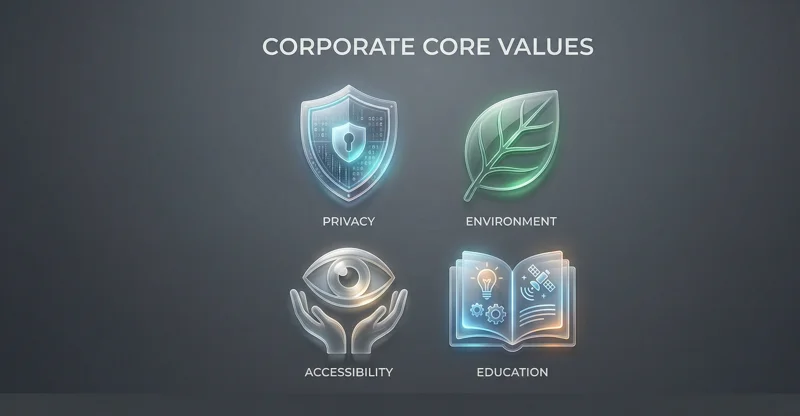
Below is a breakdown of the core values Apple continues to champion, regardless of who occupies the Oval Office:
| Core Value | Apple’s Stance | Engagement Objective |
|---|---|---|
| User Privacy | Privacy is a fundamental human right. | Lobbying against backdoors and weak encryption laws. |
| Environment | Commitment to 100% carbon neutrality. | Advocating for green energy policies and sustainable manufacturing. |
| Accessibility | Technology must be usable by everyone. | Promoting inclusive design standards in federal regulations. |
| Education | Coding and tech literacy are essential. | Pushing for STEM funding and educational integration. |
Cook has often expressed concern over the extreme polarization present in today’s society. When views become hardened, dialogue ceases, and progress stalls. By willingly meeting with individuals who hold vastly different perspectives, Cook attempts to break down these barriers. He sees the sharing of differing views not just as a business necessity, but as a societal good.
He famously stated, “I interact on policy, not politics.” This mantra serves as a shield and a guiding light. Politics involves elections, partisanship, and rhetoric. Policy involves the tangible laws and regulations that dictate how Apple manufactures iPhones, imports components, and manages user data.
| Strategy Element | Politics (What Cook Avoids) | Policy (What Cook Embraces) |
|---|---|---|
| Focus | Partisan rhetoric and campaign endorsements. | Tariffs, tax reform, and trade agreements. |
| Outcome | Societal division and brand alienation. | Favorable business conditions and supply chain stability. |
| Methodology | Public shouting matches and social media wars. | Private conference room meetings and direct dialogue. |
The Long-Term Impact of “Policy Over Politics”
As we look at the legacy of Tim Cook’s leadership style, his ability to separate the person from the policy stands out as a defining characteristic. By refusing to be baited into political theater, he protected Apple’s market capitalization and ensured the company remained a dominant force. His reliance on the Teddy Roosevelt “Man in the Arena” philosophy—that the critic does not count, but rather the person who is actually engaged in the struggle—perfectly encapsulates his tenure.
Frequently Asked Questions (FAQs)
Why did Tim Cook choose to engage with the Trump administration?
Cook believes that engagement is essential to influence decisions. He argued that you cannot convince anyone of your perspective by yelling from the sidelines, making direct communication the most effective strategy.
Did Tim Cook’s personal values change by working with Donald Trump?
No. Cook has emphatically stated that neither his personal values nor Apple’s corporate values changed. He maintains that you can engage with someone of a differing viewpoint without compromising your own morals.
What does Cook mean by “I interact on policy, not politics”?
He means his focus is strictly on the rules, regulations, and economic conditions that affect Apple’s business and its customers, rather than getting involved in partisan disputes or political theater.
What are the main issues Apple advocates for in Washington?
Apple consistently focuses its advocacy on user privacy, environmental sustainability, accessibility in technology, and the expansion of STEM education.
How does Cook view the current state of global political discourse?
Cook views the extreme polarization in the world as a major problem. He believes that when differing views aren’t shared or discussed, they become hardened, which hinders progress.
What quote inspires Tim Cook’s approach to criticism?
Cook is inspired by Theodore Roosevelt’s famous quote, “It is not the critic who counts,” which emphasizes the importance of being actively engaged rather than just offering outside commentary.
How did the Trump administration respond to Tim Cook’s approach?
According to Cook, the administration was “very accessible,” allowing Apple the opportunity to present its viewpoints, even if the two parties did not always reach an agreement.
Disclaimer: This article is for informational purposes only and is based on historical interviews and public statements for educational analysis.