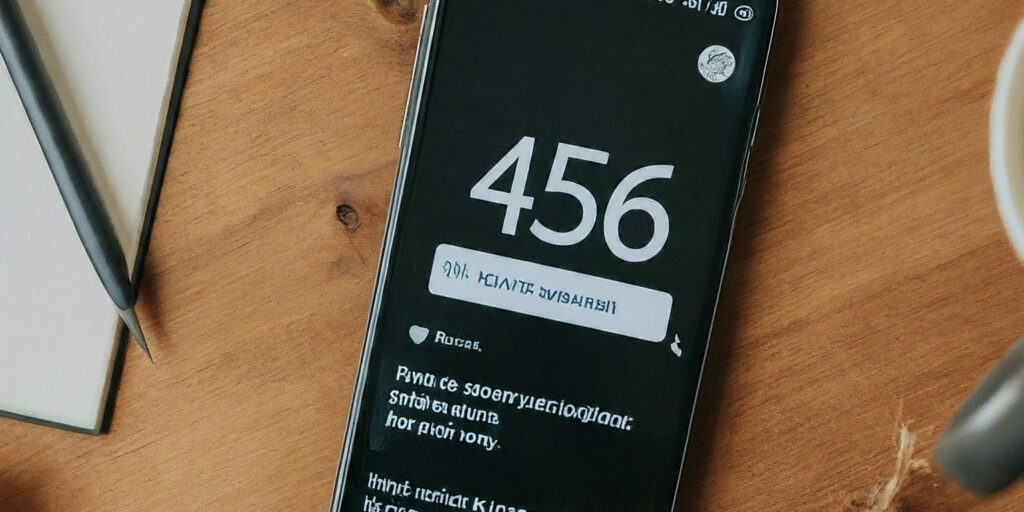
The search for “area code 456” typically suggests the user has received a call or seen this number and is trying to determine its geographic origin.
The 456 area code is not currently assigned to any city, state, or specific geographic region within the North American Numbering Plan (NANP), which includes the United States and Canada. Historically, 456 was used as a non-geographic code for specific international call routing, but this use has been withdrawn. The code is now unassigned and reserved for potential future use.
If you received a call from a number beginning with 456, it is highly likely to be an illegitimate call from an automated telemarketer or scammer using a technique called “spoofing.”
-
The Historical and Current Status of Area Code 456
Unlike traditional area codes (like 212 for New York City or 303 for Denver), the 456 prefix has never been tied to a physical location.
Non-Geographic Origin
- Former Purpose (1993–2017): Area code 456 was initially designated as a non-geographic code within the NANP. It was used specifically to route inbound international calls to certain domestic telecommunications carriers. It was not available for general consumer or business use.
- Current Status: Due to a lack of demand and changes in telecommunications routing technology, the use of the 456 area code was withdrawn in 2017 and the code was returned to the pool of unassigned numbers.
- Result: Today, no legitimate standard telephone service should be using the 456 prefix.
Why You Might See It
If you see a call come in with the format (456) XXX-XXXX, there are two likely scenarios:
- Number Spoofing: A scammer or illegal robocaller is falsifying their Caller ID information (spoofing) to use an unassigned or unusual area code in an attempt to bypass call-blocking apps or to confuse the recipient.
- VoIP Test Number: In rare and niche instances, some Voice over IP (VoIP) testing environments or virtual phone systems may temporarily use unassigned codes for internal testing purposes.
- Safety and Actionable Steps
Since the 456 area code is not assigned to a legitimate location or service, it should be treated with extreme caution.
Recommended Action
- Do Not Answer: It is highly recommended that you do not answer any call originating from the (456) area code. There is virtually no scenario where a legitimate business or personal contact would be using this non-existent area code.
- Do Not Call Back: Never return a missed call from an unknown or suspicious number. Calling back can confirm your phone number is active, leading to more unwanted calls, or in some international scam cases, connect you to a premium-rate number resulting in unexpected charges.
- Block the Number: If you receive multiple calls, use your phone’s built-in call blocking feature or a third-party call filtering app to block the specific number or the entire 456 area code.
Frequently Asked Questions (FAQ)
Is the 456 area code used in any country outside the US?
No. The 456 three-digit combination is not currently assigned as an area code or country code by the International Telecommunication Union (ITU). The former non-geographic use of 456 was strictly limited to inbound routing related to the North American Numbering Plan.
If 456 is an unassigned code, how does the call connect?
The call connects because the scammer is using Caller ID Spoofing. This technology allows a caller to manipulate the number that appears on your phone’s screen. The call is actually originating from a different, often international, location or an internet-based service, and the 456 number is just a disguise.
Will the 456 area code ever be assigned to a city?
It is possible. Since the code has been returned to the pool of unassigned codes, the North American Numbering Plan Administrator (NANPA) could assign 456 as a new geographic area code or an overlay in the future to a US state or Canadian province needing more numbers. However, as of now, it remains reserved.