The search query “187 area code” is usually triggered by an unknown or suspicious incoming call, as this code is highly unusual in North America.
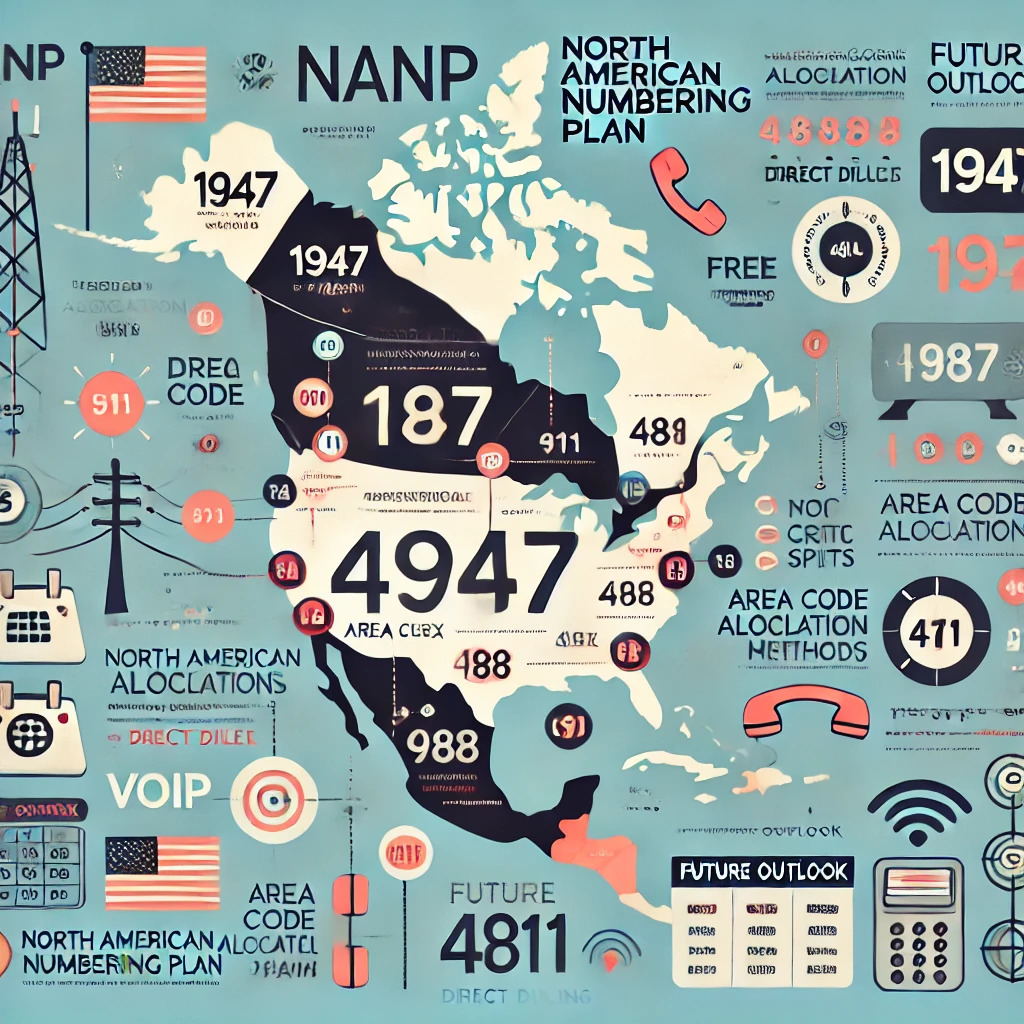
The 187 area code is not assigned to any geographical region in the North American Numbering Plan (NANP), which covers the US, Canada, and surrounding Caribbean islands. Instead, the number sequence ‘187’ functions as a special service prefix in other numbering systems, most notably in Hong Kong. Therefore, any call displaying an (187) prefix is illegitimate if presented as a standard US or Canadian phone number.
This article clarifies the true location and purpose of the 187 code, and provides actionable steps on how to handle suspicious calls.
-
Status in North America (US & Canada)
In the North American Numbering Plan (NANP), area codes do not begin with the digit ‘1’ or ‘0’ (the format is NXX, where N must be 2–9).
- Conclusion: Area code 187 is an unassigned code in the US and Canada. It is not reserved for future use or any special non-geographic service (like 500 or 588).
- International Context: Hong Kong and Special Services
While 187 is invalid in the NANP, the number sequence does hold a legitimate meaning internationally, particularly in Asia.
Hong Kong Special Services
In Hong Kong (Country Code +852), numbers beginning with ‘187’ are often used as special service prefixes for high-traffic services or specific internal company hotlines.
- Examples: These prefixes may be designated for radio station call-in lines, certain types of public services, or customer service hotlines intended to handle large volumes of calls.
- Format: The number would be structured as +852 187 XXXX.
-
Scam and Fraud Warning (The Key Risk)
Since 187 is not a valid US area code, if your phone displays an incoming call from (187) XXX-XXXX, you are almost certainly being targeted by a fraudulent caller.
The Spoofing Risk
- Caller ID Spoofing: Scammers use technology to disguise their real location (which may be overseas or an internet-based line) with a fake number. They often use numbers that look like they could be legitimate but are, in fact, not assigned.
- The Goal: The scammer’s goal is to elicit a response by confusing you or making you curious enough to answer or call back.
Actionable Steps for Unknown 187 Calls
- Do Not Answer: Since the code is not assigned to a legitimate location in the NANP, there is no valid reason to answer an incoming call from (187).
- Do Not Call Back: Returning a missed call from a suspicious international number can sometimes connect you to a premium-rate service, resulting in unexpected international long-distance charges on your phone bill.
- Block and Filter: Use your phone’s built-in features (Silence Unknown Callers on iOS or Spam Call Filtering on Android) to automatically block or silence calls from the 187 prefix.
Frequently Asked Questions (FAQ)
Is 187 an international country code?
No. Country codes are established by the International Telecommunication Union (ITU). Country codes are either one, two, or three digits (e.g., +1 for the US, +44 for the UK, or +27 for South Africa). There is no sovereign nation assigned the country code +187.
Why would a scammer use 187 instead of a local area code?
Scammers often use non-existent or unassigned codes because these numbers are not tied to any legitimate owner, making them nearly impossible for victims to trace or for telecom companies to immediately block through conventional means. It is simply a tool used to bypass standard network security filters.
Should I report a call from 187?
Yes. You can help tracking efforts by reporting the number to the Federal Communications Commission (FCC) or the Federal Trade Commission (FTC). While they cannot stop every individual call, reporting helps regulators track and disrupt large-scale scam campaigns.