
Reading this latest ramit sethi interview will completely change how you view your personal finances in 2026. What exactly is the best thing to do with our money? How do we control it instead of letting it control us?
These are massive, complicated questions. They often feel intimidating, especially when traditional financial advisors give advice that seems completely out of touch with modern realities.
However, Ramit Sethi, the 43-year-old author of “I Will Teach You to Be Rich” and host of Netflix’s “How to Get Rich,” offers a refreshing perspective. His approach bridges the gap between generations, showing exactly how families can navigate today’s tough economic climate.
Redefining Wealth in This Insightful ramit sethi interview
A major takeaway from the recent ramit sethi interview is his holistic definition of what it means to be wealthy. For decades, the financial industry has painted a rigid picture of wealth.
In the 1980s and 90s, being rich meant country clubs, private jets, and extreme luxury. Today, Sethi argues that being rich is highly personal. It could mean picking up your kids from school every afternoon without stress.
It might mean taking a pay cut to gain ultimate schedule flexibility. Or, it could simply be the ability to travel for a few months a year. This paradigm shift is vital for millennial personal finance.
“The word ‘rich’ is extremely loaded in our culture. ‘Rich’ could be picking up your kids from school every afternoon. It’s quite different now.”
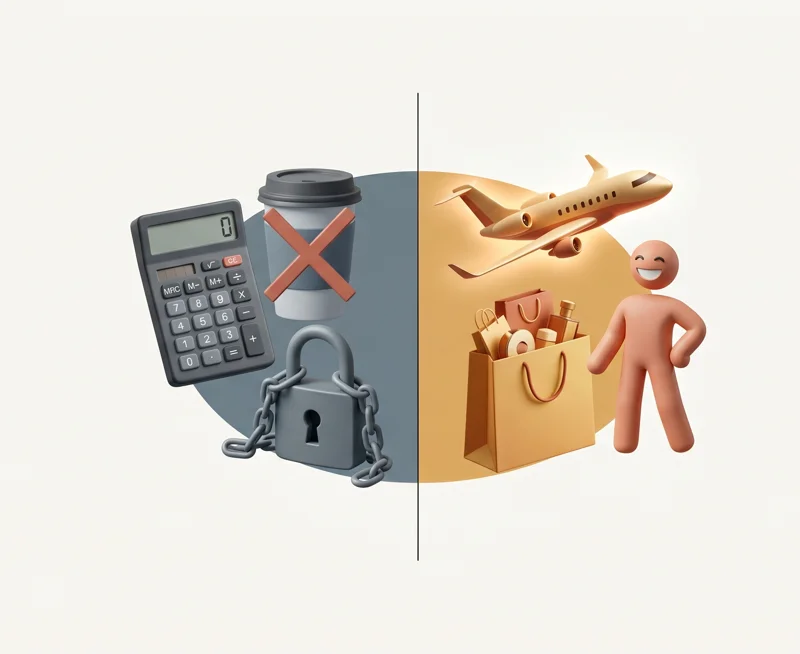
He encourages people to engage in a guilt-free spending strategy. You should spend extravagantly on the things you love, as long as you cut costs ruthlessly on the things you do not care about.
| Concept | Traditional Financial Advice | Ramit Sethi’s Philosophy |
|---|---|---|
| Spending | Cut all expenses, skip the daily coffee. | Spend heavily on what you love, cut the rest. |
| Definition of Rich | Millions in the bank, luxury items only. | Time freedom, flexibility, and reduced stress. |
| Budgeting | Restrictive, shame-based spreadsheets. | Conscious spending plans focusing on joy. |
The 4 Key Numbers Highlighted in the ramit sethi interview
When discussing managing household income in the ramit sethi interview, the financial star noted a shocking statistic. Nearly 50 percent of people do not even know their own household income.
To fix this, Sethi stresses that every individual and couple must know their four key numbers. Knowing these numbers provides immediate clarity on where your money is actually going.
First are your fixed costs, such as rent, mortgage, auto payments, and debt. Second is your savings rate. Third are your investments, which is where true generational wealth is built.
Finally, the fourth number is your guilt-free spending money. This allows you to eat out, travel, and enjoy life without feeling anxious.
| Key Number | Description | Ideal Target |
|---|---|---|
| 1. Fixed Costs | Housing, utilities, debt, basic groceries. | 50-60% of take-home pay. |
| 2. Investments | 401k, Roth IRA, brokerage accounts. | 10% or more of take-home pay. |
| 3. Savings | Emergency funds, vacation funds, down payments. | 5-10% of take-home pay. |
What Millennials Need From Boomers: A ramit sethi interview Breakdown
A crucial part of the ramit sethi interview revolves around generational wealth transfer. How should boomer parents financially help their adult millennial children?
Many millennials are struggling with unprecedented housing costs and inflation. Sethi suggests that financial advice for couples and families should include open, non-judgmental conversations about money.
Parents shouldn’t just hand over cash blindly. Instead, they should help their children understand the power of compound interest and assist them in funding investment vehicles early on.
“People do not prioritize spending on the things they love. That’s one of the central mistakes the financial industry makes—treating people like rational robots.”
By fostering a healthy emotional relationship with money, boomers can provide support that lasts a lifetime. This is detailed further in publications like The New York Times, which originally covered his book tour.
Applying Lessons from the ramit sethi interview Today
Ultimately, Ramit Sethi wealth building is about aligning your spending with your core values. This ramit sethi interview proves that wealth is not just a math problem; it is a psychological one.
Stop buying $85,000 trucks if you don’t actually value them. Redirect that money toward what actually brings you joy, whether that is a beautiful piece of clothing or an extended family vacation.
| Action Step | Expected Outcome |
|---|---|
| Calculate 4 Key Numbers | Immediate clarity on household cash flow. |
| Automate Investments | Effortless compound interest growth over time. |
| Define Your “Rich Life” | Elimination of financial guilt and anxiety. |

Frequently Asked Questions
What is the main focus of the latest ramit sethi interview?
The main focus is redefining what it means to be rich, focusing on guilt-free spending, understanding key financial numbers, and how boomer parents can better support their millennial children.
What are the four key numbers mentioned in the ramit sethi interview?
They are your fixed costs, your savings rate, your investment rate, and your guilt-free spending money.
How does Sethi view millennial personal finance differently?
He rejects the idea of restrictive budgeting. Instead, he promotes spending extravagantly on things you love while cutting costs mercilessly on things you do not care about.
What did the ramit sethi interview say about buying expensive trucks?
He pointed out that many Americans buy gargantuan $85,000 trucks, which drives up their fixed costs and prevents them from actually saving and investing.
Does the ramit sethi interview offer financial advice for couples?
Yes, he acts as a financial advisor and de facto therapist, encouraging couples to align their spending with their shared values rather than fighting over restrictive budgets.
How can boomer parents help millennials according to the ramit sethi interview?
Rather than just giving cash, parents should have open conversations about money, help set up early investment accounts to utilize compound interest, and stop judging their children’s spending habits.
Where can I learn more about the concepts discussed in this ramit sethi interview?
You can read his bestselling book “I Will Teach You to Be Rich,” watch his Netflix series, or listen to his popular “Money for Couples” podcast.
Disclaimer: This article is for informational purposes only and does not constitute professional financial advice. Always consult with a certified financial planner before making major financial decisions.