If you are looking to upgrade your digital workspace, nasa just shared jaw dropping artemis ii wallpapers heres how to set them on your mac or windows pc. The Artemis II mission has gifted the world with stunning high-resolution Earth photos from space, intimate crew training moments, and intricate spacecraft details. Instead of settling for generic, pre-installed desktop wallpapers, you can now feature actual, breathtaking photos from humanity’s monumental return to the Moon right on your screen. Best of all, NASA has made these spectacular images freely available to the public.
The Historic Significance of Artemis II
Before diving into your desktop background settings, it is worth understanding the gravity of the images you are about to download. The Artemis II mission is a landmark event in human history. It marks the long-awaited return of humans to lunar orbit for the first time since the Apollo era ended in 1972. This is not just another spaceflight; it is a major stepping stone for future deep space exploration.
The four-person crew has flown further from Earth than any humans have traveled in over half a century. By downloading a spacecraft desktop wallpaper from this mission, you are actively celebrating an incredible achievement in aerospace engineering and human bravery.
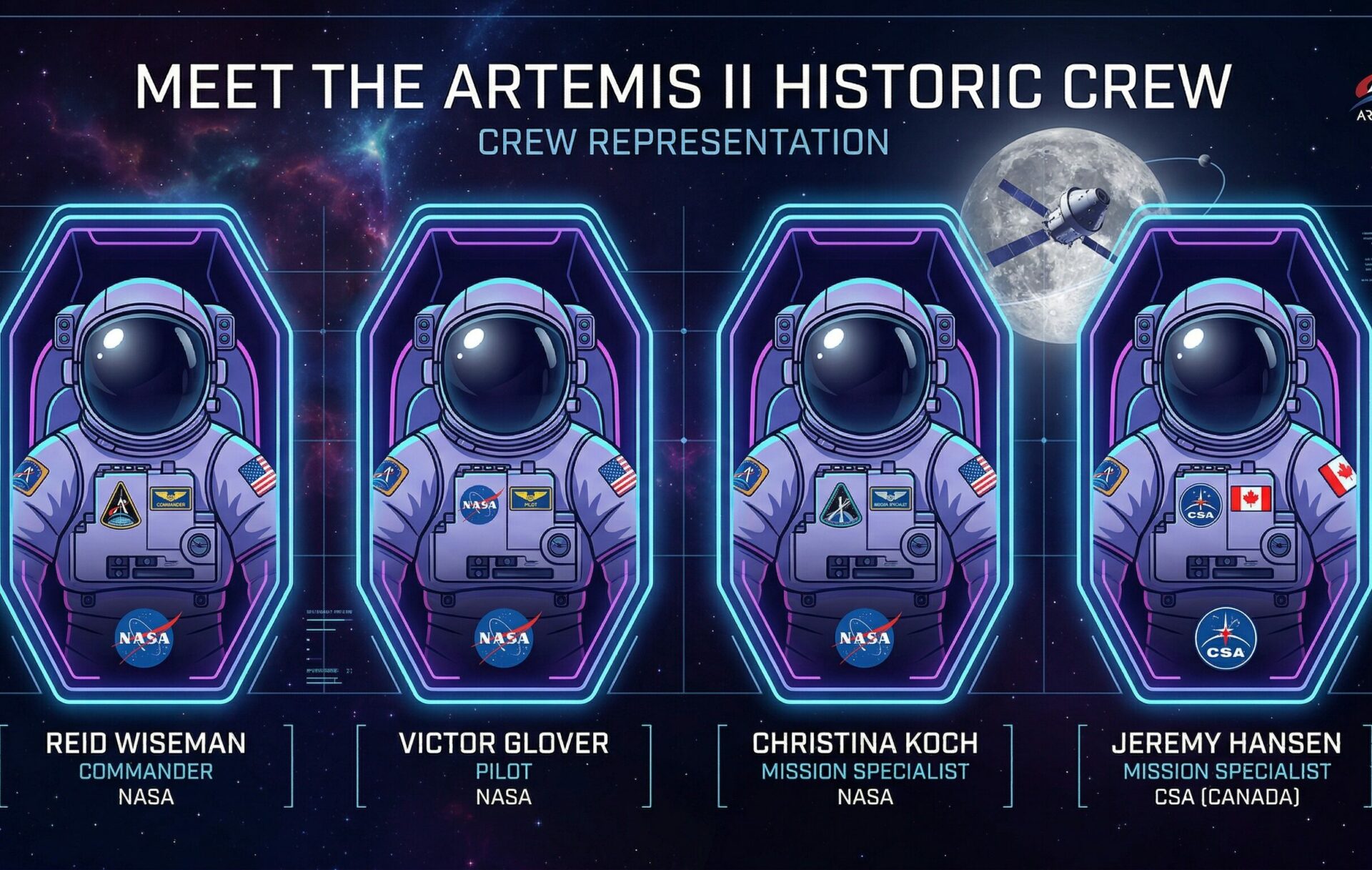
| Astronaut Name | Mission Role | Space Agency |
|---|---|---|
| Reid Wiseman | Commander | NASA |
| Victor Glover | Pilot | NASA |
| Christina Koch | Mission Specialist | NASA |
| Jeremy Hansen | Mission Specialist | CSA (Canada) |
“Why settle for generic, computer-generated desktop backgrounds when you can feature humanity’s triumphant return to the stars?”
Step 1: Accessing the Official NASA Image Library
The first step to upgrading your screen is to acquire the images. You will need to visit the official NASA image library. This massive database contains hundreds of officially curated, high-resolution Artemis II photos. The resolutions are incredibly high, meaning they will look incredibly sharp whether you are using a standard 1080p laptop display or a massive 4K or 8K widescreen monitor. Simply browse the lunar gallery, find an image that inspires you, and click the download button to save it to your local drive.
Step 2: How to Set the Image as Your Windows Wallpaper
Changing your background on a Windows PC is a process that takes less than a minute. Once you have downloaded your preferred lunar orbit mission photo, navigate to your computer’s “Downloads” folder (or wherever you saved the file). Right-click on the downloaded image file and simply select “Set as desktop background” from the context menu.
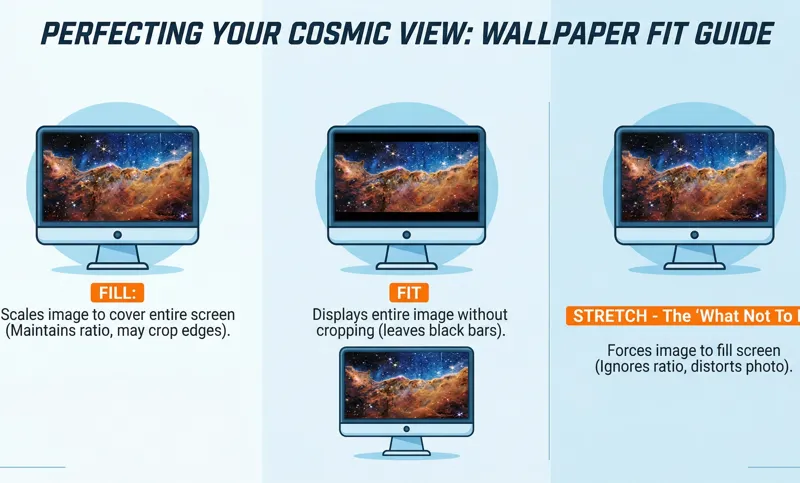
If the image looks perfectly fine, you are done\! However, sometimes high-resolution images can appear stretched, distorted, or cropped incorrectly depending on your monitor’s aspect ratio. To fix this, type “desktop” into the Windows search bar and click on “Choose your desktop background.” Scroll down to the “Choose a fit” section to adjust how the image is displayed.
| Windows Fit Option | How It Works | Best Use Case |
|---|---|---|
| Fill | Scales the image to cover the whole screen, maintaining aspect ratio. | Most standard displays; may crop edges. |
| Fit | Displays the entire image without any cropping. | When you want to see the whole photo (leaves black bars). |
| Stretch | Forces the image to fill the screen, ignoring aspect ratio. | Not recommended for high-quality space photos. |
Step 3: How to Set the Image as Your Mac Wallpaper
If you are an Apple user running macOS 26 or earlier, the process is just as seamless. Locate the downloaded high-resolution photo in your Finder. Right-click (or Control-click) the image file and select “Set Desktop Image.” Your background will update instantly with your new cosmic view.
To fine-tune the display settings, open your “System Settings” and select “Wallpaper” from the left sidebar. Here, you have granular control over how the image sits on your screen. If you have a multi-monitor setup for your workstation, this menu also allows you to decide whether you want the same spacecraft desktop wallpaper across all screens or different NASA shots for each monitor.
“Bringing the vastness of the cosmos to your daily digital routine is as easy as a few simple clicks on your Mac or PC.”
| macOS Setting | Description |
|---|---|
| Fill Screen | Expands the space image to eliminate any blank borders. |
| Fit to Screen | Shrinks the image to ensure the entire NASA photo is visible. |
| Span (Multi-Monitor) | Stretches a single ultra-wide image continuously across all connected displays. |
Enjoy Your New View of the Universe
Taking a moment to appreciate the incredible engineering and human spirit required to capture these high-resolution Earth photos can add a touch of inspiration to your daily workflow. The NASA image library continues to be a treasure trove of visual wonders, proving that the best desktop backgrounds are the ones rooted in real, awe-inspiring human exploration.
Frequently Asked Questions
Are the Artemis II wallpapers completely free to use?
Yes, NASA’s image library provides these high-resolution photos to the public free of charge for personal, non-commercial use, such as desktop backgrounds.
What resolution are the NASA images?
The official library offers various resolutions. Many of the original files are large enough to look perfectly sharp on 4K, 5K, and even 8K desktop monitors.
Who was on the Artemis II mission?
The historic crew consisted of NASA astronauts Reid Wiseman, Victor Glover, and Christina Koch, alongside Canadian Space Agency astronaut Jeremy Hansen.
Why does my Windows wallpaper look stretched out?
This happens when your desktop background settings are set to “Stretch.” You should change the fit option to “Fill” or “Fit” to preserve the image’s original aspect ratio.
Can I use these images on my dual monitor Mac setup?
Absolutely. In macOS System Settings under the Wallpaper tab, you can choose to apply the image to all spaces or set different images for each connected monitor.
Will downloading large high-resolution photos slow down my computer?
Simply downloading and setting a large image as a wallpaper will not noticeably slow down a modern Mac or Windows PC. It is just a static background image.
Where exactly do I find the Artemis II specific photos on NASA’s site?
You can use the search bar within the official NASA image library and type “Artemis II” to filter the database specifically for the lunar orbit mission photos and crew training shots.
Disclaimer: This article is for informational purposes only. NASA’s image use guidelines govern the application and reproduction of all downloaded media. System settings instructions may vary slightly depending on your specific operating system version.