
Motorola Razr Ultra enthusiasts waiting for a sleek, impossibly thin upgrade in 2026 might be in for a rather bulky awakening. Hot on the heels of our first look at the entry-level Moto Razr earlier this month, the tech community is finally getting its first substantial glimpse at Motorola’s flagship clamshell foldable phone for the year. Unfortunately for anyone hoping this iteration would arrive with a dramatically slimmer chassis to compete with the broader market, it seems the legendary brand is moving in the exact opposite direction. Based on highly credible new leaks, the upcoming device is adding bulk, challenging the current industry obsession with paper-thin foldables.
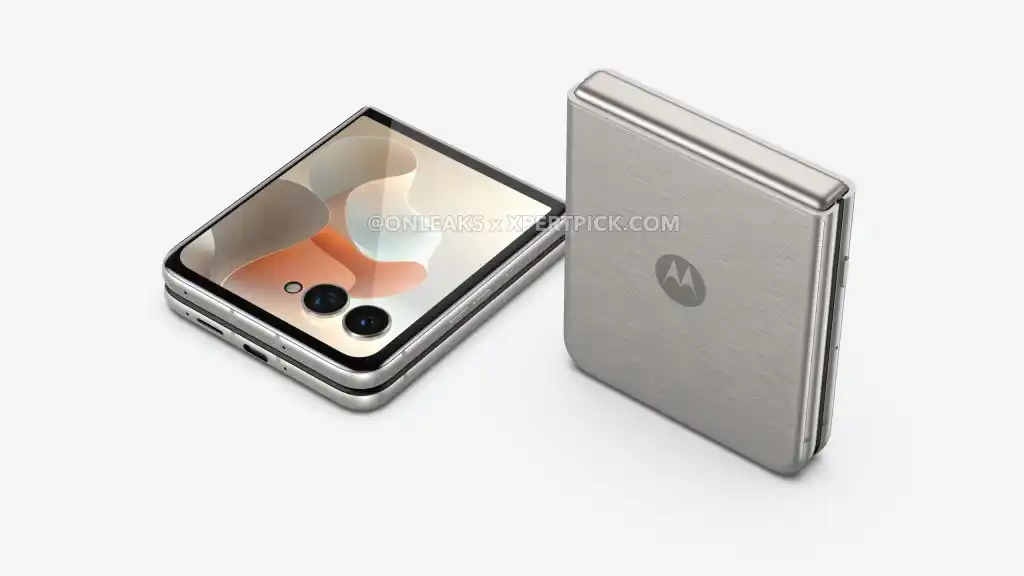
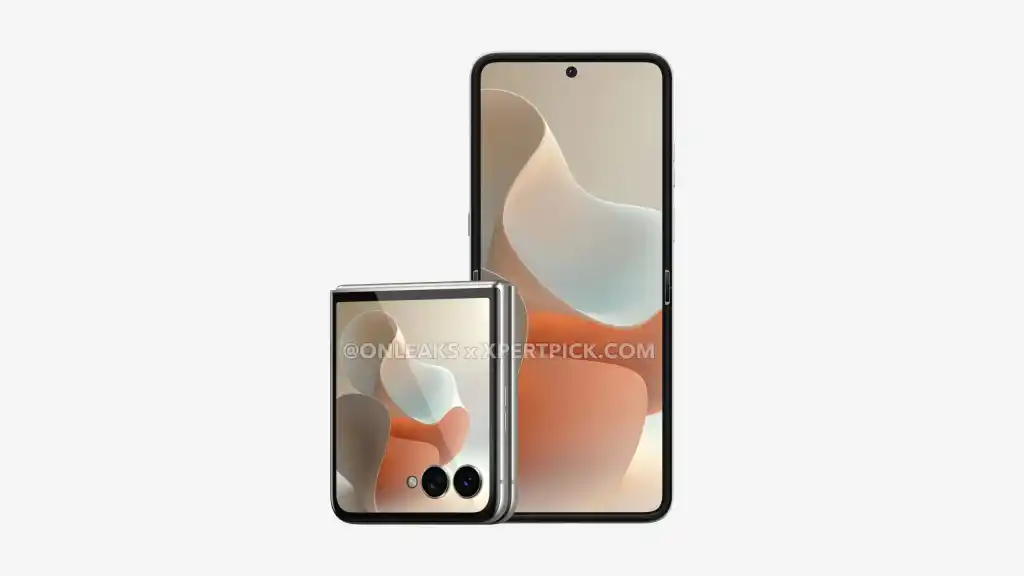
The highly respected leaksters at Xpertpick, in a collaborative partnership with the reliable tipster OnLeaks, recently published a comprehensive set of CAD renders showcasing exactly what this year’s flagship Razr should look like when it hits the market. On its face, it is a strikingly familiar design. Motorola clearly has not rocked the boat regarding its overall foldable aesthetic since successfully expanding its cover display across the entire front panel in 2024. That core, highly popular look is sticking around for a third generation. However, the Motorola Razr Ultra 2026—which will be marketed as the Razr 70 Ultra outside of the North American market—has made one very specific physical change that might frustrate potential upgraders looking for a pocket-friendly footprint.
The Bulky Reality Check: Breaking Down the Dimensions
According to the freshly leaked data accompanying the CAD renders OnLeaks provided, the Motorola Razr Ultra 2026 dimensions come in at 88.0 x 74.1 x 15.8mm when completely folded shut, and 171.3 x 74.1 x 7.8mm when fully opened. Eagle-eyed tech enthusiasts and long-time fans of the series will immediately note that those numbers look a bit heavy—not to mention noticeably bulky, especially when held up against modern book-style foldables that have recently hit the market.
While a large portion of Motorola’s fanbase fully expected the company to finally slim down its flagship clamshell foldable phone this year, these raw dimensions show off a device that is undeniably thicker than its direct predecessor. We are, quite literally, moving in the wrong direction when it comes to the foldable smartphone thickness wars.
| Motorola Device Model | Folded Thickness (mm) | Unfolded Thickness (mm) | Design Trajectory |
|---|---|---|---|
| Razr Ultra (2024) | 15.1 mm | 7.0 mm | Baseline |
| Razr Ultra (2025) | 15.7 mm | 7.2 mm | Slightly Thicker |
| Razr Ultra (2026) Leak | 15.8 mm | 7.8 mm | Thickest Yet |
To prevent sounding overly dramatic, it is vital to put these numbers into context. We are discussing a relatively minor numerical difference compared to last year’s release: a 0.6mm increase when open, and a 0.1mm increase when folded shut. However, in the world of premium smartphone design, a fraction of a millimeter can vastly alter how a device feels in the hand. More importantly, this represents Motorola actively bucking the overall trend we have witnessed from rival foldable makers who are aggressively attempting to shave weight and girth off their flagship models.
“In an era where competitors are shaving millimeters off their foldables to achieve traditional smartphone profiles, Motorola’s decision to increase the Razr Ultra’s thickness is a bold, calculated gamble on functionality over form.”
Bucking the Foldable Smartphone Thickness Trend
The push for extreme thinness has mostly defined book-style foldable phones in recent months. Devices from global competitors have breached the sub-10mm mark when folded, making them feel indistinguishable from standard slab smartphones. Even Motorola’s own upcoming Razr Fold is rumored to be just 10.1mm when closed. Yet, this aggressive slimming trend has not completely passed the clamshell segment by, which makes the 2026 Razr Ultra’s dimensions stand out even more starkly.
The Galaxy Z Flip 7 Comparison: A Substantial Gap
To truly understand the implications of the Motorola Razr Ultra 2026 dimensions, one must perform a direct Galaxy Z Flip 7 comparison. Samsung, Motorola’s chief rival in the US foldable market, has been on a strict diet. The Galaxy Z Flip 7 managed to slim down by more than a full millimeter compared to its predecessor when it hit the market. Current data shows the Flip 7 sitting comfortably in the sub-14mm category when folded shut.
If Motorola brings a 15.8mm thick device to the market alongside a sub-14mm Samsung offering, the difference will be highly palpable to the average consumer browsing a carrier store. The Razr Ultra could end up feeling remarkably chunky in comparison to the sleek, refined profile of its South Korean rival.
| Feature Comparison | Motorola Razr Ultra (2026) | Samsung Galaxy Z Flip 7 |
|---|---|---|
| Folded Thickness | 15.8 mm | Under 14.0 mm |
| Form Factor Strategy | Maximized Internal Space | Ultra-Slim Pocketability |
| Cover Screen Aesthetic | Edge-to-Edge wrapping around lenses | Folder-shaped display cutout |
This stark contrast will force consumers to ask themselves a critical
how much does absolute thinness matter in a device that already folds perfectly in half? For many, a clamshell is already small enough, and pushing the boundaries of physics to shave off a millimeter might not be worth the compromises that inevitably come with an ultr
thin chassis.
Trade-Offs and Silver Linings: Why Thicker Might Be Better
Of course, tech companies do not operate in a vacuum, and we currently do not know the exact engineering reasons why Motorola deliberately decided to make its flagship clamshell foldable phone bulkier this year. However, from a more optimistic and practical perspective, a thicker chassis is rarely dead space. It almost always serves as a Trojan horse for more exciting, highly requested internal elements.
When you look past the initial shock of the CAD renders OnLeaks provided, the added 0.6mm of depth when the phone is unfolded opens up a massive world of hardware possibilities. The most pressing complaint about clamshell foldables historically has been battery life and camera parity with standard slab phones. Thin phones simply cannot house large batteries or the massive optical sensors required for true flagship photography.
“A thicker foldable is a necessary compromise for progress; the extra millimeters are the exact physical space required to house the massive camera sensors and larger battery cells that consumers constantly demand.”
Hardware Upgrades Worth the Bulk
What could Motorola be hiding in that extra space? For one, perhaps this year’s flagship Razr finally supports Qi2 magnetic wireless charging. The magnetic rings and thermal shielding required for the Qi2 standard take up valuable real estate, which could easily account for a thicker body. Alternatively, Motorola might have managed to cram a significantly larger battery cell into the device, potentially pushing the capacity closer to the 4,500 mAh mark, which would practically eliminate the battery anxiety typically associated with flip phones.
| Potential Hardware Upgrade | Why It Requires a Thicker Chassis |
|---|---|
| Larger Battery Capacity | Lithium-ion cells require physical volume; more mAh equals more physical space needed. |
| Flagship Camera Sensors | Larger image sensors require deeper lens assemblies to focus light properly without protruding aggressively. |
| Qi2 Wireless Charging | Requires internal copper coils and an array of strong alignment magnets beneath the rear glass. |
| Advanced Thermal Cooling | High-end processors need vapor chambers and graphite pads to dissipate heat safely away from the battery. |
Furthermore, better camera sensors could be the primary culprit. Larger sensors capture more light and detail, but they demand thicker lens optics. By increasing the overall thickness of the unfolded device to 7.8mm, Motorola can include a much more capable primary camera without resorting to an unsightly, massive camera bump that wobbles on a desk. There are plenty of potential trade-offs that could lead to a substantially more exciting, capable, and enduring—albeit still thick—device.
As we move closer to the official launch window in the coming months, more details will undoubtedly surface regarding the internal specifications. Until then, you can keep an eye on the official source for their product announcements by visiting the official Motorola website. Fingers crossed that we won’t be waiting too much longer to find out exactly what that extra bulk is bringing to the table.
Frequently Asked Questions
What are the leaked dimensions of the 2026 Motorola Razr Ultra?
The leaked dimensions reveal the device is 88.0 x 74.1 x 15.8mm when folded, and 171.3 x 74.1 x 7.8mm when unfolded, making it slightly thicker than last year’s model.
Is the CAD renders OnLeaks data usually reliable?
Yes, OnLeaks has a historically excellent track record for publishing highly accurate CAD renders of smartphones several months before they are officially announced by the manufacturer.
How does this device compare in a Galaxy Z Flip 7 comparison?
Early indications show the Galaxy Z Flip 7 is pursuing an ultra-thin profile (under 14mm folded), which will make the 15.8mm Motorola Razr Ultra 2026 feel noticeably thicker in comparison.
Why would Motorola intentionally increase their foldable smartphone thickness?
While unconfirmed, a thicker chassis provides the necessary internal volume to include highly requested features like larger batteries, advanced camera lenses, improved cooling, or Qi2 magnetic charging components.
Will the device be called the Motorola Razr Ultra globally?
No, the device is expected to be branded as the Razr Ultra in the United States and North America, but will likely be marketed as the Razr 70 Ultra in international markets.
Has the overall design language of the flagship clamshell foldable phone changed?
Based on the leaks, the core aesthetic remains largely unchanged from 2024 and 2025, maintaining the edge-to-edge cover display that wraps around the main camera lenses.
When will the 2026 Motorola Razr Ultra be officially released?
While an exact date has not been confirmed, Motorola traditionally launches its new Razr lineup during the summer months, so an official announcement is expected soon.
Disclaimer: This article is for informational purposes only. The specifications, dimensions, and features discussed are based on early leaks and rumors, and may not reflect the final official product released by Motorola.
