
The linux kernel dirty frag lpe exploit is currently the most critical cybersecurity emergency facing server administrators in 2026. This newly discovered and currently unpatched local privilege escalation (LPE) vulnerability is causing massive disruptions. It allows malicious actors to seamlessly and instantly gain root privileges across major Linux distributions.
Security researchers have dubbed this catastrophic flaw “Dirty Frag.” It is widely considered the direct and far more dangerous successor to the infamous Copy Fail vulnerability. With active exploitation already being observed in the wild, the threat landscape has changed overnight.
The release of a working Proof-of-Concept (PoC) has effectively lowered the barrier to entry for threat actors. Now, even lower-tier hackers can utilize the linux kernel dirty frag lpe exploit to orchestrate complete system takeovers.
Unlike theoretical vulnerabilities that rely on complex timing, this exploit is highly deterministic. This means that a successful attack does not rely on tight race conditions. The success rate for hijacking a system is exceptionally high, making immediate action absolutely necessary.
Understanding the Mechanics of the linux kernel dirty frag lpe exploit
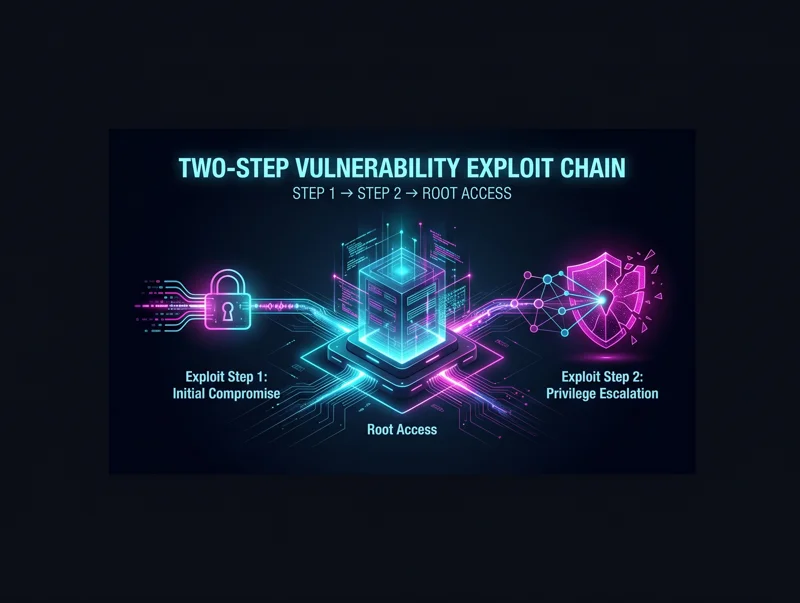
To fully grasp the severe nature of the linux kernel dirty frag lpe exploit, we must analyze how it chains two distinct kernel bugs together. The attack leverages the xfrm-ESP Page-Cache Write vulnerability in tandem with the RxRPC Page-Cache Write vulnerability.
By effectively combining these two flaws, attackers can bypass built-in operating system defenses that would normally stop a single exploit. The core issue lies in how the modern Linux kernel handles page-cache-backed memory allocation.
Specifically, this terrifying bug allows an unprivileged local user to overwrite sensitive data stored within the kernel’s page cache. This action exposes protected memory segments that should strictly belong to the core operating system.
“Because it is a deterministic logic bug that does not depend on a timing window, no race condition is required. The kernel does not panic when the exploit fails, making it a highly reliable weapon.”
This specific vulnerability is uniquely dangerous because it does not trigger a system crash or kernel panic if the exploit attempt initially fails. An attacker can repeatedly attempt the linux kernel dirty frag lpe exploit without alerting intrusion detection systems.
Currently, the vast majority of popular distributions remain highly vulnerable. While the vulnerability does require the attacker to have some form of initial low-level access, the jump from a restricted user account to unrestricted root access is virtually instantaneous.
| Linux Distribution | Vulnerability Status | Technical Notes |
|---|---|---|
| Ubuntu 24.04.4 | Highly Vulnerable | The rxrpc.ko module is actively loaded by default. |
| RHEL 10.1 | Vulnerable | Default build limits rxrpc, but xfrm-ESP still applies. |
| Fedora 44 | Vulnerable | Fully exposed to the chained attack vector. |
| AlmaLinux 10 | Vulnerable | The ESP-in-UDP fast path is completely exposed. |
Why the linux kernel dirty frag lpe exploit Bypasses Ubuntu Defenses
One of the most concerning aspects of the linux kernel dirty frag lpe exploit is its incredible adaptability. The xfrm-ESP vulnerability initially requires the creation of a user namespace to execute properly.
Under normal circumstances, modern systems like Ubuntu actively block this namespace action through strict AppArmor security profiles. This AppArmor block should theoretically stop the attack in its tracks.
However, this is exactly where the RxRPC Page-Cache Write vulnerability comes into play. It acts as the perfect fallback mechanism for the attacker, bypassing the initial block entirely.
Because the RxRPC module does not require the privilege to create a namespace, the attacker simply pivots. Since Ubuntu ships with the rxrpc.ko module loaded by default, the second part of the linux kernel dirty frag lpe exploit executes flawlessly.
This dynamic creates a terrifying scenario where the security blind spots of one vulnerability are perfectly covered by the other. It renders standard default operating system mitigations entirely useless.
The Technical Roots of the linux kernel dirty frag lpe exploit
Diving deeper into the technical foundation, the linux kernel dirty frag lpe exploit traces its exact origins back to much older source code commits. The xfrm-ESP vulnerability was inadvertently introduced in a kernel commit made in January 2017.
Astonishingly, security analysts note that this exact same commit was responsible for another massive buffer overflow vulnerability in the past. It highlights a long-standing weakness in that specific subsystem.
The second piece of the puzzle, the RxRPC vulnerability, is a much newer addition. It was officially introduced into the kernel ecosystem in June 2023.
“Chaining the two variants makes the blind spots cover each other seamlessly. On Ubuntu, where user namespace creation is strictly blocked but rxrpc.ko is built, the RxRPC exploit works flawlessly.”
This bug resides deep within the ESP-in-UDP MSG_SPLICE_PAGES no-COW fast path. It is directly reachable via the XFRM user netlink interface, providing a direct and reliable pipeline for the exploit to function.
When a socket buffer carries paged fragments not privately owned by the kernel, the receive path acts erratically. It decrypts directly over those externally-backed pages.
This critical error exposes plaintext data that an unprivileged process still holds a reference to. This allows for immediate memory corruption and subsequent privilege escalation via the linux kernel dirty frag lpe exploit.
| Vulnerability Component | Affected Subsystem | Introduction Date |
|---|---|---|
| xfrm-ESP Page-Cache Write | IPSec (xfrm) Networking | January 2017 |
| RxRPC Page-Cache Write | rxrpc.ko module | June 2023 |
| Copy Fail (Predecessor) | Core Kernel Memory | Disclosed early 2026 |
The linux kernel dirty frag lpe exploit in Cloud Environments
The overall threat landscape expands significantly when we consider enterprise cloud infrastructure. The linux kernel dirty frag lpe exploit is incredibly dangerous for containerized workloads utilized by large corporations.
On host servers running multiple containers, this vulnerability can easily facilitate devastating container escape scenarios. This means an attacker can break out of a restricted Docker instance.
Once an attacker compromises a single lightweight container, they can use the linux kernel dirty frag lpe exploit to gain root access to the underlying host operating system. This grants them control over all other containers on that server.
While exploiting this inside a heavily hardened Kubernetes cluster requires specific network capabilities, many real-world enterprise deployments suffer from minor misconfigurations. These small errors leave them wide open to this attack path.
Active Threats Using the linux kernel dirty frag lpe exploit
Microsoft security intelligence teams have already reported observing limited, yet highly targeted, in-the-wild activity. Hackers are actively utilizing the linux kernel dirty frag lpe exploit to compromise enterprise networks.
Threat actors are aggressively chaining this exploit with external access methods. The attack typically begins with a compromised SSH connection using stolen credentials or weak passwords.
Once inside the restricted server environment, the attackers immediately spawn an interactive shell. They then proceed to stage a malicious ELF binary payload designed to trigger the flaw.
Executing this binary immediately triggers the privilege escalation via the substitute user command. This sudden escalation grants the attackers completely unrestricted control over the affected Linux server.
After gaining these elevated privileges, attackers have been observed modifying GLPI LDAP authentication files. This action ensures they maintain persistent backdoor access even if the original exploit is patched.
They also actively perform deep reconnaissance on the system directory. Furthermore, they maliciously wipe PHP session files to disrupt active sessions and lock out legitimate network administrators.
| Attacker Action | Technique Utilized | Primary Objective |
|---|---|---|
| Initial Network Access | Compromised SSH Credentials | Establish a basic interactive shell. |
| Exploit Execution | Staging the ELF binary | Trigger the page-cache write primitive. |
| Privilege Escalation | Utilizing the ‘su’ command | Instantly gain full Root privileges. |
| System Impact | Wiping PHP sessions & altering LDAP | Maintain a persistent, hidden backdoor. |
How to Mitigate the linux kernel dirty frag lpe exploit Now
The urgency for a comprehensive Linux kernel security patch cannot be overstated. While the xfrm-ESP flaw has been assigned the CVE-2026-43284 vulnerability identifier, patches are still rolling out.
The RxRPC component, tracked as CVE-2026-43500, remains completely unpatched in many popular enterprise distributions at the time of writing. Administrators must take proactive, manual steps.
Until your specific distribution releases a full update, immediate mitigation strategies are mandatory. The most effective temporary fix for the linux kernel dirty frag lpe exploit is aggressive blocklisting.
“Rather than relying on narrow timing windows or unstable corruption conditions, Dirty Frag appears designed to dramatically increase consistency across vulnerable enterprise environments.”
Official security advisories highly recommend blocklisting the esp4, esp6, and rxrpc modules entirely. This prevents them from being loaded into the kernel, successfully breaking the exploitation chain.
It is incredibly important to note that previous mitigations applied for the older Copy Fail vulnerability will not protect you here. The linux kernel dirty frag lpe exploit operates independently of those old fixes.
The exploit can trigger regardless of whether the algif_aead module is available. This means that old, recycled blocklists are completely ineffective against this new threat variant.
For the most official tracking and patch updates, administrators should frequently consult the National Vulnerability Database (NVD) to monitor changing CVSS scores.
| Mitigation Step | Action Required | Overall Effectiveness |
|---|---|---|
| Kernel Module Blocklisting | Add esp4, esp6, and rxrpc to the modprobe list. | High (Prevents exploit execution). |
| Apply CVE-2026-43284 Patch | Update kernel to mainline f4c50a4034e6. | High (Fixes xfrm-ESP component only). |
| Monitor Network SSH Access | Audit server logs for unauthorized logins. | Medium (Detects the initial access stage). |
Frequently Asked Questions About the linux kernel dirty frag lpe exploit

What exactly is the linux kernel dirty frag lpe exploit?
It is a critical local privilege escalation chain that allows an unprivileged user to instantly gain root access on a Linux system by manipulating page-cache write processes.
Which specific CVEs are associated with this threat?
The exploit chain primarily utilizes the CVE-2026-43284 vulnerability for the xfrm-ESP subsystem and CVE-2026-43500 for the RxRPC module.
Why is the Dirty Frag PoC exploit considered so dangerous?
It is highly deterministic and does not rely on race conditions. This means the linux kernel dirty frag lpe exploit works consistently without crashing the kernel.
How does the Ubuntu root access flaw bypass standard AppArmor?
While AppArmor blocks the namespace creation required for the first half of the attack, Ubuntu loads the rxrpc.ko module by default, allowing the second half of the exploit to work.
Does my previous Copy Fail mitigation protect my server?
No. The linux kernel dirty frag lpe exploit can trigger perfectly fine regardless of whether the algif_aead module is available or blocklisted on your system.
What is the best immediate Linux kernel security patch or fix?
Until full kernel updates are widely deployed by your specific distribution, the absolute best mitigation is to immediately blocklist the esp4, esp6, and rxrpc kernel modules.
Can the linux kernel dirty frag lpe exploit be used to escape Kubernetes containers?
Yes. In cloud environments with misconfigured seccomp profiles, this vulnerability can facilitate a complete container escape, granting the attacker root access to the host server.
Disclaimer: This article is for informational purposes only. The cybersecurity landscape changes rapidly, and systems administrators should always consult their operating system vendor’s official security advisories before applying kernel patches or modifying core system modules.