
A user searching for “iPhone comparison” is looking for a breakdown of the key differences between the currently available iPhone models to make an informed purchasing decision.
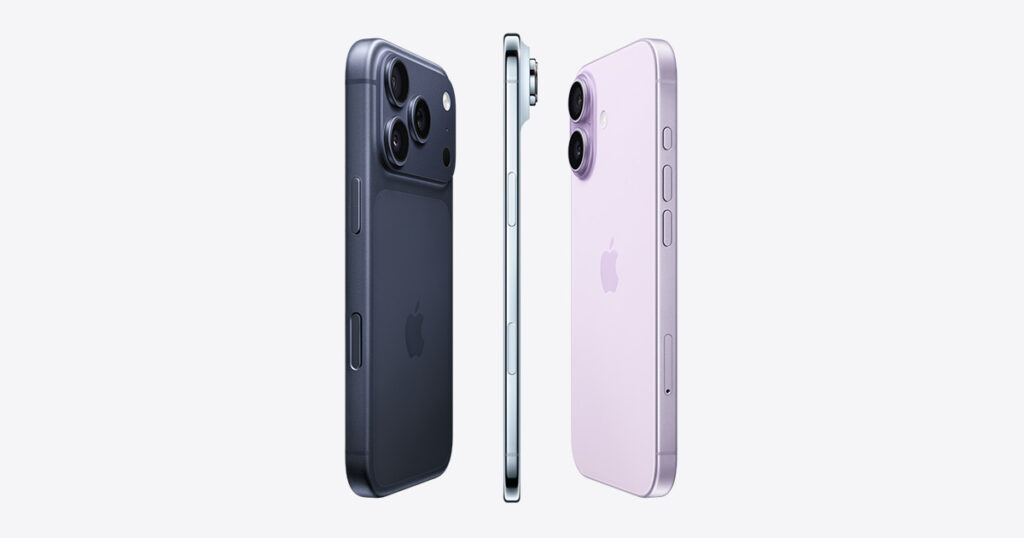
The best iPhone to buy today depends entirely on your budget and feature priorities, with the primary choice being between the premium Pro models, the excellent value of the standard iPhone, and the budget-friendly iPhone SE. The flagship iPhone 17 series now offers a 120Hz ProMotion display across its lineup, significantly closing the gap between the standard and Pro models for everyday users.
This guide provides a clear comparison of the latest iPhone lineup, focusing on the differences in display, camera technology, and performance to help you find the perfect model.
-
iPhone Model Lineup Comparison Chart (2025)
The current iPhone lineup typically spans three main categories: Pro, Standard/Plus, and SE/Mini (or new form factors like the iPhone Air). This chart compares the latest generation models:
| Feature | iPhone 17 Pro / Pro Max | iPhone 17 (Standard) | iPhone Air | iPhone SE (3rd Gen) |
| Processor | A19 Pro Chip | A19 Chip | A19 Pro Chip | A15 Bionic Chip |
| Display Tech | ProMotion 120Hz OLED, Always-On | ProMotion 120Hz OLED, Always-On | 120Hz OLED, Dynamic Island | 60Hz Retina LCD |
| Camera (Rear) | Triple-Lens System (Main, Ultra-Wide, Telephoto w/ 4x-8x Optical Zoom), ProRAW | Dual-Lens System (Main, Ultra-Wide), 2x Optical Zoom (via Main) | Dual-Lens System, 2x Optical Zoom | Single-Lens System |
| Build Material | Brushed Aluminum Unibody / Ceramic Shield 2 | Aerospace-Grade Aluminum | Ultra-Thin Aluminum | Aluminum and Glass |
| Security | Face ID (Dynamic Island) | Face ID (Dynamic Island) | Face ID (Dynamic Island) | Touch ID (Home Button) |
| Port | USB-C (High-Speed Data) | USB-C (USB 2.0 Speed) | USB-C (High-Speed Data) | Lightning |
-
Key Differences: Standard vs. Pro
The distinction between the iPhone Pro and the Standard iPhone is shrinking but remains significant for enthusiasts and professionals. The differences usually boil down to three categories:
-
Display and Design
For years, the best display features were limited to the Pro models. That has changed with the latest generation.
- iPhone Pro / Pro Max: Feature high-end construction materials (e.g., specialized aluminum, Ceramic Shield on front and back) and generally the largest, brightest displays.
- iPhone 17 (Standard): Now includes the 120Hz ProMotion display This means scrolling and motion are significantly smoother than on older 60Hz displays. It also enables the highly requested Always-On Display feature. The standard model is usually lighter due to its aluminum frame.
- Dynamic Island: This feature (the pill-shaped cutout replacing the notch) is now standard across all non-SE models.
-
Camera System (The Professional Divide)
The camera is the biggest reason to step up to the Pro model if you are a serious photographer or videographer.
- The Telephoto Lens: Only Pro models have the dedicated Telephoto lens, which provides true optical zoom (e.g., 4x or 8x on the Pro Max). The standard iPhone uses its high-resolution main sensor to provide a 2x optical-quality zoom, which is effective but not a true telephoto.
- Advanced Features: Pro models unlock professional camera capabilities, including ProRAW (for maximum editing flexibility) and ProRes video recording (high-quality, professional video codecs), often with faster external storage transfer via the USB-C port.
- The LiDAR Scanner: Found only on Pro models, this sensor improves depth mapping for faster autofocus in low light and enhances AR (Augmented Reality) applications.
-
Performance and Storage
While both use the latest chip generation (A19 series), the execution differs.
- Chipset: The Pro models get the slightly more powerful A19 Pro chip (with an enhanced GPU and typically more RAM), while the standard models get the A19 chip. Both are extremely fast, but the Pro is necessary for demanding applications like console-quality mobile gaming or complex video editing.
- Base Storage & Connectivity: The base iPhone 17 now starts at 256GB, a generous bump up from older models. However, the Pro models offer up to 2TB of storage and feature a higher-speed USB-C port for lightning-fast data transfers.
-
The Newcomer: iPhone Air
The iPhone Air is a unique model typically designed for a specific user seeking an ultra-thin, large-screen experience without the Pro-level camera.
- Focus: Ultra-thin design and a large display size (often matching the Pro Max).
- Features: It usually retains the powerful A19 Pro chip and the ProMotion 120Hz display, making it a performance powerhouse.
- Compromise: To achieve the thin design, it may sacrifice some battery capacity or advanced camera features (like the dedicated Telephoto lens). It is positioned as the sleekest premium model for the design-conscious user.
-
The Budget King: iPhone SE (3rd Generation)
The iPhone SE is Apple’s entry-level model, targeting users who prioritize cost, portability, and simplicity.
- Design: It retains the classic iPhone form factor with a physical Home Button and Touch ID fingerprint authentication.
- Performance: It features a slightly older, but still incredibly fast, chip (e.g., A15 or A16 Bionic), ensuring excellent speed for current iOS applications.
- Trade-offs: It lacks the modern features like the Dynamic Island, Face ID, ProMotion display, and dedicated Ultra-Wide camera, but it offers the lowest price point for an Apple smartphone with 5G connectivity.
Conclusion
To summarize your iPhone comparison journey:
- Choose the iPhone Pro / Pro Max if: You need the absolute best camera zoom and video features (ProRAW/ProRes), desire the most durable build, and require the maximum performance and storage for professional work or demanding gaming.
- Choose the Standard iPhone 17 if: You want the best value. It offers the latest chip, an excellent 2x zoom camera, and all the crucial modern features like the 120Hz display and Dynamic Island. This is the ideal phone for most general users.
- Choose the iPhone Air if: You prioritize a large screen and the latest processor in the sleekest, most lightweight package possible, even if it means compromising slightly on the Pro camera features.
- Choose the iPhone SE if: Price and physical size are your main concerns. It offers excellent performance for its price but utilizes an older design with a smaller screen.