
Learning how to close your loops procrastination stress wellness is the ultimate method for reclaiming your mental energy and clarity.
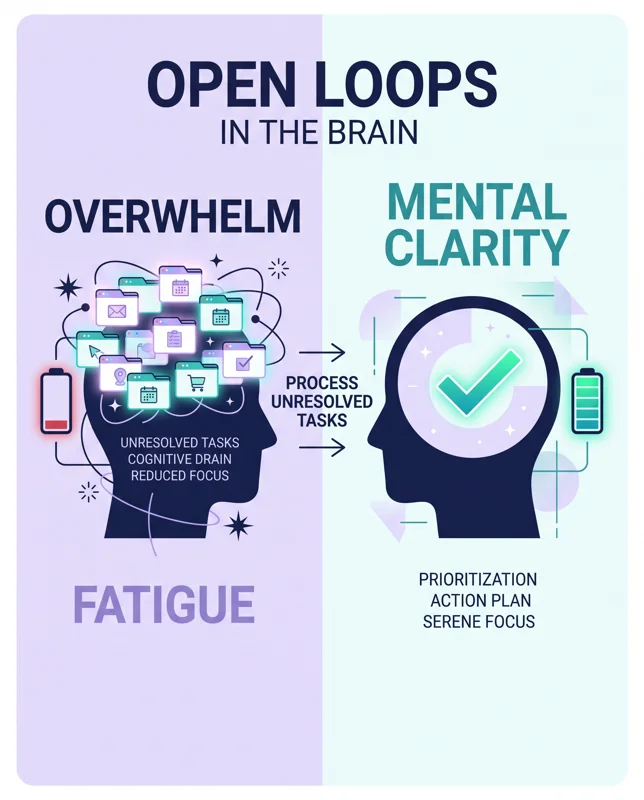
Are you constantly feeling exhausted even when you have rested? Leaving your daily tasks unfinished acts exactly like having ninety browser tabs open in your brain.
This constant mental hum drains your focus, energy, and overall health. Today, we are exploring the psychological toll of chronic avoidance and how to finally clear your mind.
Understanding the close your loops procrastination stress wellness connection
Psychologists note that ignoring text messages, delaying errands, or avoiding difficult conversations creates what experts call “open loops.”
These incomplete tasks cause a silent but heavy buildup of anxiety over time. To master the close your loops procrastination stress wellness lifestyle, you must first understand why you avoid things.
Often, the perceived cost of doing a task feels too high in the present moment. Instead of acting, you choose temporary comfort, ignoring the future mental fatigue that is guaranteed to follow.
The constant mental hum of unfinished business is more draining than you realize, slowing your brain down just like a glitching computer.
ADHD, Perfectionism, and close your loops procrastination stress wellness
For many individuals, task initiation is much harder due to underlying factors like ADHD, depression, or severe anxiety.
Perfectionism also plays a massive role in chronic task avoidance. People delay answering important emails simply because they fear not having the perfect response.
Focusing on the principles of close your loops procrastination stress wellness helps combat this paralyzing perfectionism. It teaches you to accept action over flawless execution.
| Root Cause of Avoidance | Psychological Impact | Healthy Solution |
|---|---|---|
| Perfectionism | Paralysis and deep shame | Embrace “good enough” action |
| ADHD / Neurodivergence | Executive dysfunction | Seek professional therapy |
| Overwhelm | Chronic fatigue and burnout | Break tasks into micro-steps |
Strategies to master close your loops procrastination stress wellness
Taking immediate, small actions is the only proven way to clear your mental bandwidth. Awareness of your urges is the critical first step to emotional regulation.
Practicing close your loops procrastination stress wellness means intentionally choosing self-compassion over guilt. Beating yourself up only reinforces the negative cycle.
Acknowledge that you are struggling, validate your feelings, and ask yourself if the task will truly be as bad as you are imagining.
Micro-steps for close your loops procrastination stress wellness success
Do not attempt to fix your entire life in one single afternoon. Start with ridiculously small steps to slowly build back your self-trust.
For example, if you want to start exercising, simply put on your gym clothes on the first day. This gradual habit-building is a core pillar of the close your loops procrastination stress wellness framework.
Guilt and shame are the two most common emotions people feel when they avoid tasks, but self-compassion is the true cure to get back on track.
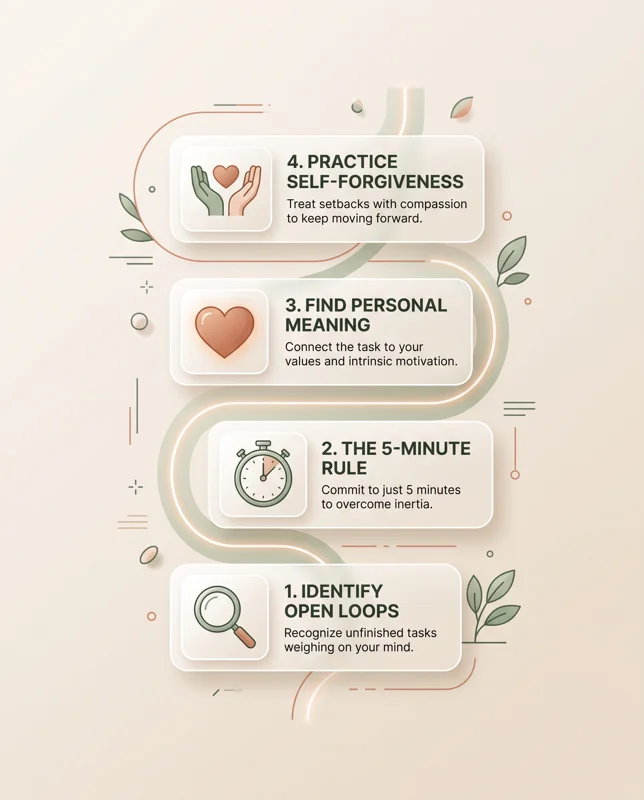
| Action Step | How to Implement It Today |
|---|---|
| Identify Open Loops | Write down every pending task draining your brain. |
| Use the 5-Minute Rule | If it takes less than 5 minutes, do it immediately. |
| Find Personal Meaning | Connect the boring task to a larger life goal. |
| Practice Self-Forgiveness | Forgive yourself for past delays to move forward. |
Why close your loops procrastination stress wellness matters today
By finding meaning in your daily responsibilities, daunting tasks become much more manageable. If you delay cleaning your room, remind yourself that you deserve a relaxing space.
Embracing the close your loops procrastination stress wellness philosophy completely transforms your identity. It gives you the confidence to tackle larger projects with a clear head.
For more clinical insights on how chronic avoidance affects the body, you can read expert research from the American Psychological Association regarding modern mental health.
Ultimately, doing the work frees up massive amounts of energy. You will finally have the time and mental space for the fun activities you actually enjoy.
Frequently Asked Questions
What does it mean to close an open loop in psychology?
It means completing an unfinished task or making a final decision on it, which stops your brain from continuously worrying about it in the background.
How does the close your loops procrastination stress wellness approach help with burnout?
By resolving pending tasks, you free up mental bandwidth, which significantly reduces chronic stress and restores your daily energy levels.
Is procrastination just a time management issue?
No, experts state that it is primarily an emotion regulation problem where people avoid the negative feelings associated with a task.
Can conditions like ADHD make closing loops harder?
Yes, neurodivergent conditions like ADHD or autism can lower tolerance for negative task emotions and cause executive dysfunction.
What is the best way to stop feeling guilty about delayed tasks?
Practicing self-compassion is proven to be far more effective than shame. Acknowledge the struggle gently and take one tiny micro-step forward.
How can I build better habits to avoid open loops?
Focus on gradual habit-building. Break overwhelming projects down into ridiculously small, non-threatening steps to build self-trust.
Should I see a therapist for chronic avoidance?
If your inability to complete tasks is causing severe anxiety, depression, or health issues, seeking professional psychological help is highly recommended.
Disclaimer: This article is for informational purposes only and is not a substitute for professional medical advice, diagnosis, or treatment. Always seek the advice of your physician or other qualified health providers with any questions you may have regarding a medical or psychological condition.