When searching for the definitive animal crossing new horizons tomodachi life living the dream comparison, players in 2026 are primarily looking for one thing: relief from virtual chores. We all remember spending multiple weeks caught in the Animal Crossing spell because there was not much else to do during the onset of the COVID-19 pandemic. That game intentionally plays itself out across several real-time days, giving players reasons to return to their island every day of the week. However, the landscape of Nintendo Switch life-sim games has evolved, and the way we interact with digital worlds has shifted from seeking secondary jobs to desiring low-pressure entertainment.
The Reality of Animal Crossing New Horizons Burnout
Although it was enthralling at first, millions of players got burnt out on New Horizons quickly. After not playing for a few weeks, returning meant facing an island with missing residents, an overwhelming amount of landscaping to be done, and substantial amounts of lost currency in the stalk market. The realization that you are essentially being punished for taking a break from a video game is a harsh wake-up call for many casual gamers.
“That daily structure, which once made the game so captivating, quickly became a daunting obstacle to returning.”
The core issue lies in how the game demands your attention. I felt like I lost too much after I stopped playing, and that the game was demanding too much from me daily once I tried to come back. No update for the game in the six years since could do enough to draw me back in, not even the reset feature added earlier this year. It transforms from a relaxing getaway into a source of daily anxiety.
| Gameplay Element | Animal Crossing: New Horizons | Player Sentiment |
|---|---|---|
| Daily Tasks | Mandatory chores (weeds, fossils) | High burnout rate over time |
| Time Away | Penalized with villagers leaving | Anxiety-inducing return |
| Economy | Stalk market requires daily checks | Feels like a second job |
Enter Tomodachi Life: Living the Dream
Initially, there was widespread worry that Nintendo’s latest sandbox life-sim game, Tomodachi Life: Living the Dream, also available on the Nintendo Switch, would repeat these exact same mistakes. Would it tie players down to relentless daily logins? After just a couple of days with the game, the verdict is clear: you will likely be playing Tomodachi Life for a lot longer without the fatigue.
Nintendo’s latest will feel familiar to veterans of the genre. You are micromanaging an island of residents who constantly interact with each other, and there is a massive amount of depth to how much players can customize their island. The in-game clock runs in real time, and different shops and events are accessible to players depending on the time of day. But there is a massive philosophical shift in game design here.
| Feature Comparison | Participant Role (ACNH) | Overseer Role (Tomodachi Life) |
|---|---|---|
| Player Agency | Manual labor required for progress | Observation and gentle guidance |
| Resident Interaction | Player initiates mostly | Residents interact autonomously |
| Customization | Grid-based landscaping | Deep Mii personality tuning |
The Overseer vs. The Participant
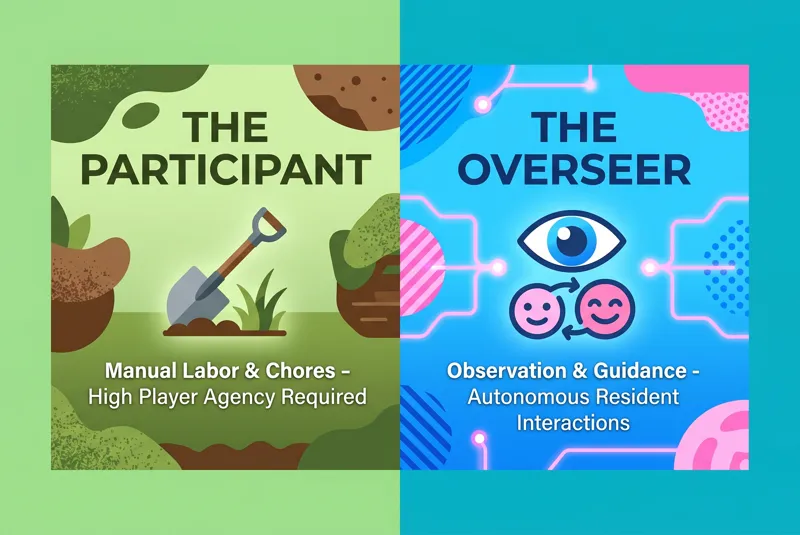
Whereas Animal Crossing makes your Villager feel like a participant who must manually maintain the sandbox, Tomodachi Life lets you become the island’s overseer. You can design almost every resident, item, and building in the game, and most of the fun comes from simply watching how everyone interacts organically. You can read more about the game’s release details on the Official Nintendo Website.
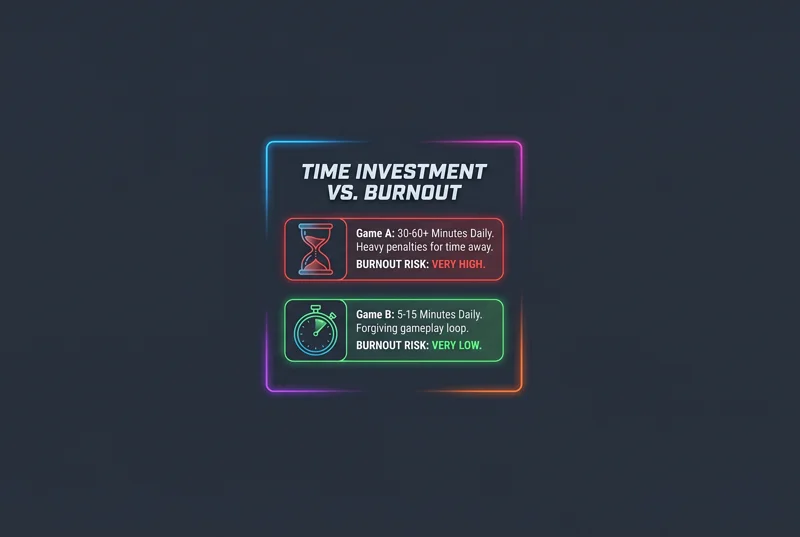
Whereas completing daily tasks in New Horizons felt like a slog after a while, this newer title has yet to replicate that anxiety. You can feel entirely content after booting up the game for just five minutes and watching a couple of hilarious interactions between your Miis. It respects your time as a player.
“If playing Animal Crossing is like watching a lengthy video essay on YouTube every day, then playing Tomodachi Life is more like entertaining myself with a few funny TikToks instead.”
The latter is bound to feel much less exhausting over time than the former, even if it is not quite as mechanically substantive in terms of terraforming. I don’t believe one of these games is objectively better designed than the other, but the structure of Tomodachi Life is far better suited to the modern gamer who has real-world responsibilities.
| Time Investment | Session Length | Burnout Risk |
|---|---|---|
| Animal Crossing | 30-60+ minutes daily | Very High |
| Tomodachi Life | 5-15 minutes daily | Very Low |
There will undoubtedly come a day when players have to stop playing for a while, whether that is because of studying, working, or simply having other games to experience. While those kinds of real-world distractions and burnout were a death sentence for the enjoyment of the last big life-sim, they will not be for Tomodachi Life: Living the Dream. You can put it down for months, pick it back up, and your quirky islanders will be right there waiting to entertain you without making you pull weeds first.
Frequently Asked Questions
Is Tomodachi Life: Living the Dream available on Nintendo Switch?
Yes, the game was released specifically for the Nintendo Switch platform, taking advantage of its portable and docked capabilities.
Does Tomodachi Life punish you for not playing every day?
No, unlike some other life-sims, the game utilizes a low-pressure gameplay loop that does not heavily penalize you for taking a break.
Can I customize my island in Tomodachi Life?
Yes, there is significant sandbox island customization available, allowing you to design residents, items, and buildings.
What is the main difference in gameplay between the two games?
Animal Crossing casts you as an active participant doing chores, while Tomodachi Life casts you as an overseer managing and watching Mii daily interactions.
Is the clock in Tomodachi Life tied to real time?
Yes, the in-game clock runs in real time, affecting which shops and specific events are accessible to players.
Will my residents leave if I stop playing Tomodachi Life?
The game is designed to be much more forgiving regarding absences, avoiding the severe missing resident anxiety found in other titles.
Which game is better for players with limited daily free time?
Tomodachi Life is generally better suited for busy players, as it offers satisfying experiences in short, five-minute bursts without mandatory daily grinding.
Disclaimer: This article is for informational purposes only and represents the subjective opinions and experiences of players regarding the mentioned video games. Features and mechanics are subject to software updates by the developer.