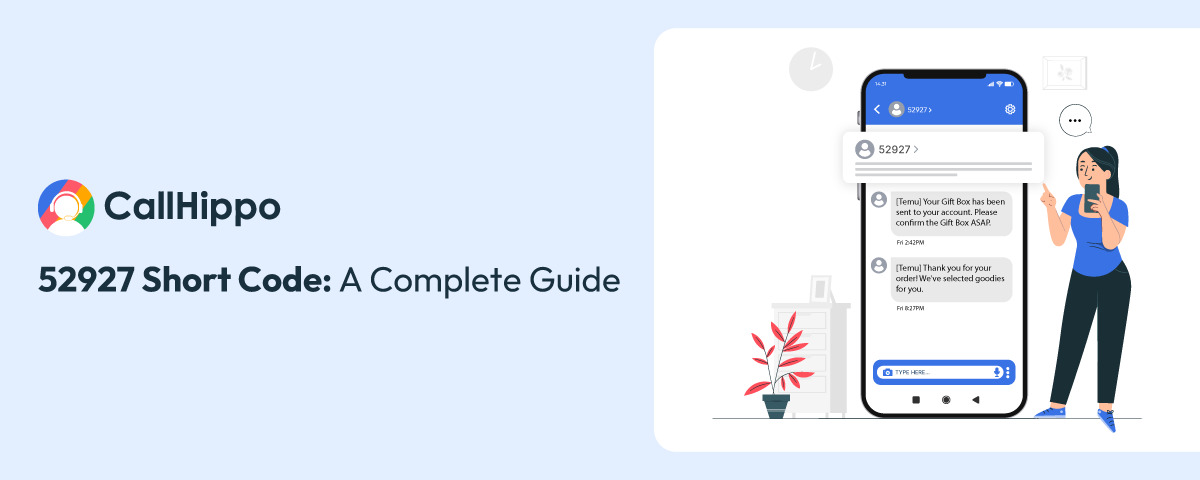
If you received a text message from the five-digit number 52927, you can be confident that it is a legitimate SMS short code used for high-volume, authorized business communication in the United States. A 52927 short code lookup reveals that this number is leased by various large organizations across multiple industries, including banking, retail, and healthcare. Whether you received the 52927 text message iphone or on an Android device, the source and methods to stop it are the same.
The 52927 short code text message is primarily associated with transactional alerts and customer notifications. Because multiple companies share this code, the exact sender of the text from 52927 depends on the context of the message you received. This guide details who is likely sending the texts and provides clear steps to identify them and stop the messages.
Who Owns Short Code 52927?
A common question is, “who owns short code 52927?” The answer is that no single company “owns” it. This is a “shared” short code, meaning it is leased by an SMS gateway provider and used by multiple businesses for their communication campaigns. This is a cost-effective method for companies to send high volumes of text messages. The table below breaks down the most common users of the 52927 text code.
| Category | Potential Senders | Example Message Content |
|---|---|---|
| Banking & Financial Alerts | Major banks, credit unions, credit card companies | Transaction alerts, low balance warnings, fraud notifications, payment confirmations. |
| Retail & E-Commerce | Online stores, subscription services | Promotional offers, order confirmations, shipping updates, subscription reminders. |
| Service & Healthcare Providers | Doctor’s offices, dentists, salons, utility companies | Appointment reminders, prescription updates, customer feedback surveys. |
| Carrier Services | T-Mobile, Xfinity Mobile, AT&T | Service updates, network maintenance alerts, or promotional offers for your mobile plan. |
Understanding Other Common Short Codes
The shared model used by the 52927 text code is standard in the industry. You may encounter similar behavior from other numbers. For example, the 71027 short code is also used for alerts and marketing, and receiving a 94527 text message or a 52127 text message follows the same principle: they are legitimate, shared codes used by various businesses. The key is to identify the specific service you subscribed to.
Actionable Steps: How to Stop Messages from 52927
If you no longer wish to receive texts from the 52927 short code, the process is straightforward and regulated by law. When you get a text 52927 sends, follow these steps.
Step 1: Reply with the Keyword STOP (The Universal Opt-Out)
All legitimate U.S. short code programs are required to provide an easy opt-out mechanism.
- To immediately stop all future messages from the program using 52927, simply reply to the text message with the word: STOP
You can also use alternate keywords like END, CANCEL, UNSUBSCRIBE, or QUIT. You should receive one final text confirming that you have been unsubscribed.
Step 2: Use the HELP Command to Identify the Specific Sender
If you want to know exactly which company is messaging you before opting out, reply with the keyword HELP:
- The sender is legally required to respond with a message that identifies the program name (e.g., “This is your Chase Bank alert service”) and provides customer service contact information (phone number or website).
Step 3: Report Spam if Messages Persist
If you reply STOP and continue to receive unwanted, non-transactional messages from 52927, you should report the number to your mobile carrier.
- Forward the message to the carrier spam reporting number: 7726 (SPAM).
- Follow the prompts to send the originating short code (52927).